


Parenthood & Fertility Insights

Welcome to Parenthood & Fertility Insights by AAS Fertility & IVF Center Lahore, your trusted source for expert articles, helpful tips, and the latest updates in fertility care. Our blogs are thoughtfully crafted to educate, inspire, and support you at every step of your parenthood journey. From IVF guidance and fertility wellness advice to real stories of hope, AAS Fertility & IVF Center shares knowledge that empowers you to make informed, confident decisions on your path to starting a family.

Happy Clients

Hundreds of couples have put their trust in us for kind treatment, successful fertility outcomes, and advice on becoming parents.

Tracking Ovulation and Timing for Maximum Success in Pregnancy - AAS Fertility & IVF Center

Tracking Ovulation and Timing for Maximum Success in Pregnancy

Tracking ovulation is one of the most effective and natural ways to improve the chances of conception. Many couples face delays in pregnancy, not because of infertility, but due to mistimed intercourse. Understanding how ovulation works and identifying the most fertile days of the menstrual cycle allows couples to plan pregnancy more effectively and with greater confidence.

At AAS Fertility & IVF Center, the premier fertility and IVF center in Pakistan, couples have been supported for over a decade with expert guidance, cycle monitoring, and compassionate fertility care.

Understanding Ovulation and the Fertile Window

Ovulation occurs when a mature egg is released from the ovary, typically once during each menstrual cycle. The egg remains viable for fertilization for about 12 to 24 hours, while sperm can survive inside the female reproductive tract for up to five days. This creates a fertile window of approximately five to six days when pregnancy is possible.

Tracking ovulation helps identify this window accurately rather than relying on estimates or assumptions.

Why Tracking Ovulation Improves Pregnancy Chances?

Many couples have regular intercourse but unknowingly miss their most fertile days. Tracking ovulation allows couples to focus their efforts during the days when conception is most likely.

Accurate timing reduces frustration, emotional stress, and unnecessary pressure by offering clarity and structure during the fertility journey.

Common Methods for Tracking Ovulation

There are several reliable methods used for tracking ovulation, depending on cycle regularity and personal preference.

Calendar tracking involves recording cycle lengths to estimate ovulation and is most effective for women with regular menstrual cycles. Basal body temperature monitoring detects a slight temperature increase after ovulation has occurred. Cervical mucus changes can also indicate fertile days, as it becomes clear and stretchy near ovulation. Ovulation predictor kits identify hormonal changes that signal ovulation is approaching.

Fertility specialists may recommend combining methods for better accuracy.

Timing Intercourse While Tracking Ovulation

The most effective time for intercourse is one to two days before ovulation and the day ovulation occurs. Intercourse every other day during this fertile window helps maintain sperm quality while maximizing the chance of fertilization.

Over-frequent or poorly timed intercourse may reduce effectiveness, which is why guided timing is often more successful.

Factors That Can Affect Ovulation Timing

Ovulation does not always occur on the same day each cycle. Stress, illness, weight fluctuations, travel, and hormonal imbalances can all delay or disrupt ovulation. Conditions such as PCOS or thyroid disorders may also interfere with regular ovulation.

Professional fertility evaluation helps identify these factors and adjust timing strategies accordingly.

When Tracking Ovulation Is Not Enough?

If pregnancy does not occur despite consistent tracking of ovulation for several months, further medical assessment may be needed. Ovulation may be irregular, or other factors such as sperm health, fallopian tube function, or uterine conditions may be involved.

Early evaluation helps prevent unnecessary delays and guides appropriate treatment options.

Medical Support for Accurate Ovulation Tracking

Medical Support for Accurate Ovulation Tracking - AAS Fertility & IVF Center

Fertility clinics provide advanced ovulation monitoring using ultrasounds and hormone testing to determine ovulation with precision. This approach is especially beneficial for women with irregular cycles or previous fertility challenges.

Medical monitoring removes uncertainty and allows couples to plan with confidence.

Emotional Well-Being During Ovulation Tracking

While tracking empowers couples, it can sometimes cause stress if expectations are not managed carefully. Maintaining emotional balance, open communication, and realistic timelines is essential for mental well-being.

Supportive counseling and expert reassurance help couples stay motivated and hopeful.

How AAS Fertility Supports Ovulation Tracking?

AAS Fertility & IVF Center offers personalized fertility assessments, ovulation monitoring, and evidence-based treatment plans. With over a decade of experience, the clinic focuses on accuracy, education, and compassionate care to support couples throughout their conception journey.

Conclusion

Tracking ovulation and timing intercourse correctly can significantly improve the chances of pregnancy. By understanding fertile signs, using reliable tracking methods, and seeking professional guidance when needed, couples can approach conception with clarity and confidence.

With the right support and timing, many couples achieve pregnancy naturally.
Secondary Infertility: Causes and Treatment Options - AAS Fertility & IVF Center

Secondary Infertility: Causes and Treatment Options

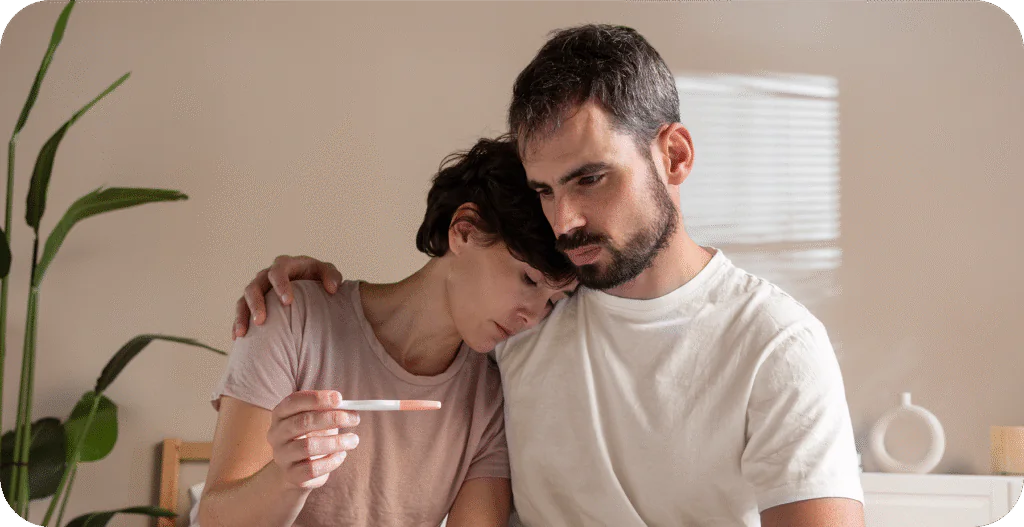
Secondary infertility refers to the inability to conceive or carry a pregnancy after previously giving birth to a child. Many couples feel confused and emotionally distressed when pregnancy does not happen again, especially after a successful first experience. Understanding the causes and available treatments can help couples move forward with clarity and confidence.

At AAS Fertility & IVF Center, couples facing secondary infertility receive personalized care, advanced diagnostics, and compassionate support to identify underlying issues and restore fertility.

Understanding Fertility After a Previous Pregnancy

Having conceived once does not guarantee future fertility. The reproductive system continues to change throughout life, and new factors may affect ovulation, sperm quality, or implantation. Even subtle hormonal shifts or untreated medical issues can influence the ability to conceive again.

Recognizing these changes early helps couples take proactive steps rather than delaying evaluation.

What Is Secondary Infertility?

Secondary infertility occurs when a couple struggles to conceive again after having one or more children naturally or through treatment. It affects both men and women and is more common than many realize.

Although a prior pregnancy suggests fertility potential, reproductive health can change over time. Age, medical conditions, and lifestyle factors often contribute to new challenges.

Why Conception May Become Difficult Again?

Several factors can interfere with fertility after a previous birth. Physical recovery from earlier pregnancies, lifestyle changes, weight fluctuations, stress, and underlying medical conditions all contribute.

In some cases, complications from earlier deliveries or infections may affect reproductive organs, making conception more difficult over time.

Common Causes of Secondary Infertility in Women & Men

Several female-related factors can lead to secondary infertility. Age plays a major role, as egg quality and quantity decline over time. Hormonal imbalances may disrupt ovulation and menstrual regularity.

Other common causes include uterine fibroids, endometriosis, ovarian cysts, blocked fallopian tubes, and complications from previous surgeries or infections. Pregnancy-related issues, such as postpartum infections or scarring, can also affect fertility.

Male fertility can change after the first child. Low sperm count, reduced motility, and abnormal sperm shape may develop over time due to age, stress, weight gain, smoking, or medical conditions.

Hormonal changes, testicular injuries, or untreated infections may also affect sperm health. This is why fertility evaluation always includes both partners.

How Age and Health Influence Secondary Fertility?

Age plays a significant role in fertility outcomes. As women grow older, egg quantity and quality naturally decline. Men may also experience gradual reductions in sperm quality.

Chronic conditions such as thyroid disorders, diabetes, or high blood pressure can further impact reproductive health. Addressing these factors early improves treatment outcomes.

Diagnosis and Fertility Evaluation

Diagnosing fertility issues begins with a detailed medical history and targeted testing for both partners. Doctors may assess hormone levels, ovulation patterns, reproductive anatomy, and semen quality.

At AAS Fertility, individualized evaluation helps identify the exact cause and avoid unnecessary treatments.

Treatment Options for Secondary Infertility

Secondary infertility treatment depends on the underlying cause. Some couples conceive after simple interventions such as ovulation induction, hormonal regulation, or lifestyle changes.

Others may benefit from assisted reproductive techniques like IUI or IVF, especially when ovulation disorders or sperm-related issues are present. Treatment plans are tailored to the couple’s medical needs and reproductive goals.

Emotional Impact and Support for Couples

Emotional Impact and Support for Couples - AAS Fertility & IVF Center

Experiencing fertility difficulties after having a child can lead to guilt, frustration, and emotional fatigue. Many couples struggle silently, believing they should not feel distressed.

Emotional support, counseling, and clear communication help couples manage stress and remain emotionally resilient throughout treatment.

When to Consult a Fertility Specialist?

Couples under 35 should seek medical advice after one year of unsuccessful attempts, while those over 35 should consult after six months. Early evaluation improves success rates and reduces emotional strain.

Timely guidance helps couples understand options before fertility declines further.

How AAS Fertility Supports Couples for Secondary Infertility?

AAS Fertility & IVF Center offers structured fertility care focused on accurate diagnosis, ethical treatment, and emotional support. Each couple receives clear explanations, transparent planning, and individualized care.

The clinic’s approach prioritizes patient education, comfort, and evidence-based treatment at every stage.

Conclusion

Secondary infertility is a common and treatable condition. Changes in health, age, or lifestyle can affect fertility after a previous pregnancy, but timely evaluation and appropriate care make a meaningful difference.

With proper diagnosis, supportive guidance, and tailored treatment, many couples successfully conceive again and continue building their families with confidence.


Common Signs of Low Sperm Count - AAS Fertility & IVF Center

Common Signs of Low Sperm Count

Low sperm count affects many men and is a leading cause of male infertility. Identifying the common signs of low sperm count early can help couples seek timely medical advice and improve fertility outcomes. At AAS Fertility & IVF Center, the best fertility and IVF center in Pakistan, we have over 10 years of experience supporting couples with expert guidance, personalized fertility plans, and compassionate care.

What Low Sperm Count mean?

Low sperm count, or oligospermia, refers to fewer than 15 million sperm per milliliter of semen. Reduced sperm can impact the chances of fertilizing an egg naturally.

Several factors contribute to low sperm, including lifestyle, medical conditions, hormonal imbalances, and environmental exposures. Recognizing early signs can help men take proactive steps toward improving fertility.

Common Signs of Low Sperm Count

Men with low sperm may not notice obvious symptoms, but some physical and reproductive signs can indicate potential issues. These include decreased sexual desire, difficulty maintaining erections, pain or swelling in the testicles, and reduced facial or body hair due to hormonal imbalance. Occasionally, men may experience smaller-than-average testicles or notice issues with semen quality, such as low volume or watery consistency.

Impact on Fertility

Low sperm, can reduce the likelihood of natural conception, making assisted reproductive techniques like IUI or IVF more necessary. At AAS Fertility & IVF Center, our specialists assess sperm health thoroughly using advanced diagnostic tools to guide couples in planning treatment and improving conception chances. Early intervention can increase the likelihood of a successful pregnancy.

Causes of Low Sperm Count

Several factors can contribute to low sperm, including lifestyle habits like smoking, excessive alcohol consumption, obesity, stress, and poor nutrition. Medical conditions such as varicocele, infections, hormonal imbalances, and genetic disorders also play a role. Environmental exposures, including heat, toxins, and chemicals, can further reduce sperm production. Understanding these causes helps guide treatment and lifestyle changes.

Steps to Improve Sperm Count

Men can naturally improve their sperm count through healthy habits. Regular exercise, a balanced diet rich in antioxidants and vitamins, avoiding smoking and excessive alcohol, and managing stress are all beneficial. Maintaining a healthy weight and keeping the testicular area cool also supports sperm production. At AAS Fertility & IVF Center, we combine natural strategies with advanced treatments for the best results.

When to Seek Expert Help?

Couples who struggle to conceive after one year of trying should consult a fertility specialist. Men with symptoms of low sperm count, such as reduced sexual desire or testicular issues, should also seek evaluation. Our team at AAS Fertility & IVF Center provides comprehensive assessment, personalized treatment plans, and emotional support to help couples achieve their dream of parenthood.

Conclusion

Recognizing the common signs of low sperm count is crucial for early intervention and effective fertility treatment. Healthy lifestyle choices, combined with expert medical care, can significantly improve sperm health. At AAS Fertility & IVF Center, couples benefit from advanced diagnostics, tailored treatment options, and compassionate guidance, ensuring a hopeful and successful fertility journey.

How Long After Birth Can You Try Conceiving Again? - AAS Fertility & IVF Center

How Long After Birth Can You Try Conceiving Again?

Many couples wonder when it’s safe to start trying after birth. Your body needs time to recover from pregnancy and delivery, rebuild nutrient stores, and regain hormonal balance. At AAS Fertility & IVF Center, the premier fertility and IVF center in Pakistan, we have supported couples for over 10 years, providing expert guidance, personalized fertility plans, and compassionate care to optimize conception and pregnancy outcomes.

Why Wait Before Trying After Birth?

Timing is key when trying after birth. Allowing your body adequate time to recover, restore essential nutrients, and regain hormonal balance significantly improves your chances of a healthy pregnancy. Monitoring fertility signs, understanding your menstrual cycle, and maintaining overall physical and emotional well-being play an important role in preparing for conception. Seeking expert guidance ensures that any underlying health concerns are addressed, recovery from childbirth is complete, and conception is approached safely.

At AAS Fertility & IVF Center, couples benefit from personalized care, evidence-based recommendations, and compassionate support. Our specialists provide tailored guidance, preconception check-ups, and continuous monitoring to help couples confidently plan their next pregnancy, making the journey smoother, healthier, and more hopeful.

Factors Affecting Trying After Birth

Several factors influence when a couple can safely start trying after birth. Maternal age, type of delivery, and overall health all play a significant role in determining the ideal timeline. Women who had a cesarean section may require a longer recovery period to allow their body, particularly the uterus and abdominal muscles, to heal completely, while those who delivered vaginally may be physically ready sooner. Additionally, preexisting medical conditions, postpartum complications, and nutritional status can impact the body’s readiness for another pregnancy. Regular check-ups with a fertility specialist are essential to assess hormone levels, reproductive health, and overall recovery.

These consultations allow doctors to provide personalized recommendations, identify any potential risks, and guide couples on the safest timing for conception. By carefully considering these factors, couples can approach their next pregnancy with confidence, reduce the likelihood of complications, and support both maternal and fetal health throughout the journey.

How Breastfeeding Impacts Fertility?

Exclusive breastfeeding can temporarily suppress ovulation due to hormonal changes, especially high prolactin levels. While this doesn’t guarantee contraception, it may delay fertility. Couples should monitor ovulation cycles and consult their doctor to understand when conception is likely to resume after birth.

Tips to Optimize Fertility After Birth

To safely and effectively start trying after birth, focus on recovery, nutrition, and overall health. Eating a balanced diet rich in vitamins and minerals, engaging in moderate exercise, and managing stress all help restore fertility. AAS Fertility specialists recommend preconception check-ups to assess hormone levels, reproductive health, and timing for optimal conception.

When to Seek Expert Guidance

If conception doesn’t occur within 6–12 months postpartum, or if there are medical concerns such as irregular cycles, postpartum complications, or age-related fertility risks, consulting a fertility expert is essential. At AAS Fertility & IVF Center, we provide tailored guidance and support for couples planning pregnancy after childbirth.

Conclusion

Timing is key when trying after birth. Allowing your body to recover, monitoring fertility signs, and seeking expert guidance ensure a safer, healthier journey to your next pregnancy. At AAS Fertility & IVF Center, couples benefit from professional care, evidence-based recommendations, and compassionate support to help them plan their family confidently.

How Smoking Effects on Fertility? - AAS ertility & IVF Center

How Smoking Effects on Fertility?

Smoking significantly affects fertility in both men and women. The smoking effects on fertility include damage to sperm, eggs, and hormone balance, reducing the chances of conception. At AAS Fertility & IVF Center, the best fertility and IVF center in Pakistan, we have supported couples for over 10 years with expert guidance, personalized fertility plans, and compassionate care to overcome challenges caused by smoking.

Female Fertility and Smoking Effects on Fertility

Women who smoke face multiple reproductive challenges. Cigarette toxins can reduce ovarian reserve, disrupt hormone levels, and impair egg quality. Smoking increases the risk of miscarriage, ectopic pregnancy, and complications during IVF. Even light or occasional smoking can lower fertility rates. Avoiding cigarettes and secondhand smoke helps improve reproductive health naturally.

Male Fertility and Smoking Effects on Fertility

In men, smoking reduces testosterone and affects sperm production. Sperm count, motility, and morphology often decline due to toxins in cigarettes. DNA damage caused by oxidative stress further reduces the chances of fertilization. Quitting smoking, maintaining a healthy lifestyle, and regular fertility check-ups can restore sperm quality and improve conception chances.

Secondhand Smoke and Fertility

Exposure to secondhand smoke also negatively impacts fertility. Non-smokers can experience hormonal disruptions, reduced sperm quality, and higher miscarriage risk when exposed to smoke. Couples trying to conceive should ensure a smoke-free environment and avoid places with tobacco exposure to protect reproductive health.

IVF Success and Smoking

Smoking lowers IVF success rates by affecting egg and sperm quality. Embryo development may slow, and implantation may fail more frequently in couples who smoke. Stopping smoking prior to IVF cycles can significantly improve outcomes. At AAS Fertility & IVF Center, we provide counseling and support programs to help couples quit smoking before treatment.

Tips to Improve Fertility After Smoking

Quitting smoking is the first and most crucial step. Additional measures include eating a nutrient-rich diet, exercising regularly, managing stress, and monitoring reproductive health. Couples can benefit from fertility assessments to evaluate recovery and identify the best strategies for conception. Combining natural methods with expert medical guidance increases success rates.

Conclusion

Smoking has profound negative effects on both male and female fertility. Understanding these risks and taking steps to quit enhances natural conception chances and improves IVF outcomes. At AAS Fertility & IVF Center, couples receive professional guidance, personalized care, and emotional support to overcome fertility challenges caused by smoking.

Best Positions to Get Pregnant That Improve Conception - AAS Fertility & IVF Center

Best Positions to Get Pregnant That Improve Conception

Many couples trying to conceive often wonder whether certain positions can improve their chances. While no position guarantees pregnancy, some positions to get pregnant may help sperm reach the cervix more efficiently when combined with correct timing and ovulation awareness. At AAS Fertility & IVF Center, the best fertility and IVF center in Pakistan, we support couples with over 10 years of experience, offering personalized guidance, compassionate care, and expert fertility monitoring.

Do Positions Really Matter?

From a medical perspective, conception primarily depends on ovulation, sperm health, and reproductive factors. Certain positions that allow deeper penetration can support sperm movement toward the cervix. Gravity plays a minor supportive role, but it does not replace healthy eggs, sperm, and timing. Couples should view positions as a small supportive factor rather than a deciding one.

Best Positions to Get Pregnant That May Help Sperm Movement

Positions where the cervix is more accessible may allow sperm to stay closer to the cervical opening after intercourse. These positions help reduce semen leakage, giving sperm more time to reach the uterus. Comfort and relaxation also enhance fertility, as stress can negatively impact conception. Couples should focus on positions that feel comfortable and natural while supporting sperm movement.

Timing vs. Positions to Get Pregnant

Even the best positions to get pregnant cannot compensate for poor timing. The fertile window, the five days before ovulation, and the ovulation day itself, is when conception is most likely. Intercourse outside this window significantly reduces the chances, regardless of position. Tracking ovulation and understanding your cycle are far more important than any single sexual position.

Does Lying Down After Intercourse Help?

Many couples lie down for 10–15 minutes after intercourse to keep sperm near the cervix. While evidence is limited, it may provide a minor benefit. This practice is harmless and may help support sperm movement naturally. Couples can combine this with comfortable positions to maximize their chance of conception without stress or discomfort.

Common Myths About Positions to Get Pregnant

Several myths suggest that standing, extreme angles, or specialized pillows guarantee pregnancy. These claims are not scientifically supported. Positions should never cause discomfort or stress. Couples should prioritize timing, comfort, and relaxation over complicated or unproven techniques. Understanding the realistic impact of positions helps manage expectations and reduce anxiety.

When Positions to Get Pregnant Alone Are Not Enough

If pregnancy does not occur after several months of well-timed intercourse, underlying fertility issues may be present. Hormonal imbalances, PCOS, endometriosis, low sperm count, or blocked tubes can reduce natural conception. In such cases, professional fertility evaluation is essential. Treatments like IUI or IVF complement natural methods, giving couples a stronger chance of achieving pregnancy.

Expert Guidance for Couples Trying to Conceive

At AAS Fertility & IVF Center, couples receive evidence-based guidance on positions to get pregnant, ovulation tracking, and personalized fertility planning. With more than 10 years of experience, the center helps couples combine natural conception strategies with advanced reproductive techniques if needed. Emotional support, education, and clarity are provided every step of the way, helping couples feel confident and hopeful in their journey to parenthood.

Conclusion

Certain positions to get pregnant may support sperm movement, but they are only a small part of conception. Timing, reproductive health, and emotional well-being remain the most critical factors. Couples focusing on their fertile window, tracking ovulation, and seeking expert guidance maximize their chances of pregnancy. With the support of AAS Fertility & IVF Center, couples receive professional advice, personalized planning, and compassionate care to help achieve parenthood naturally or with assisted methods.

Trusted fertility and IVF solutions with expert care at AAS Fertility & IVF Center

Quick Links

Services

Newsletter

Sign up to our newsletter