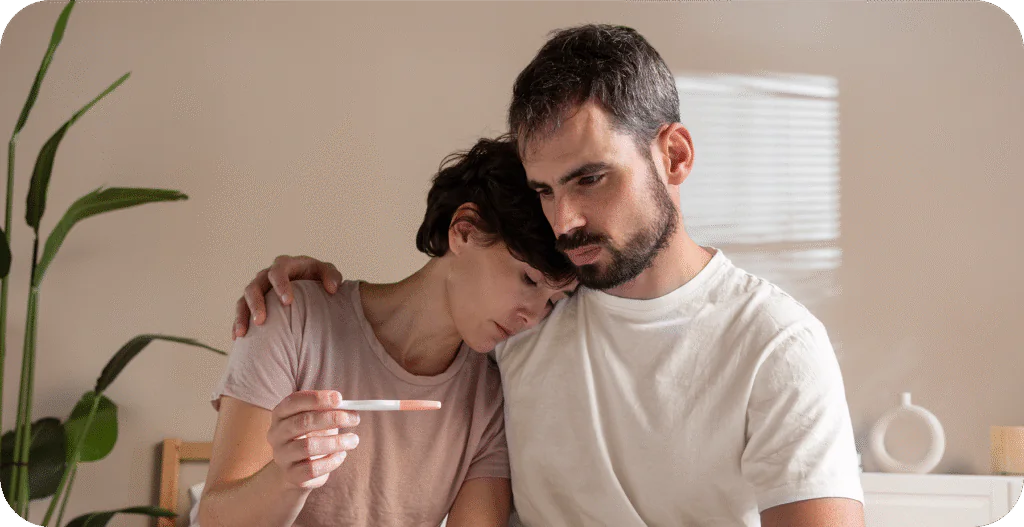
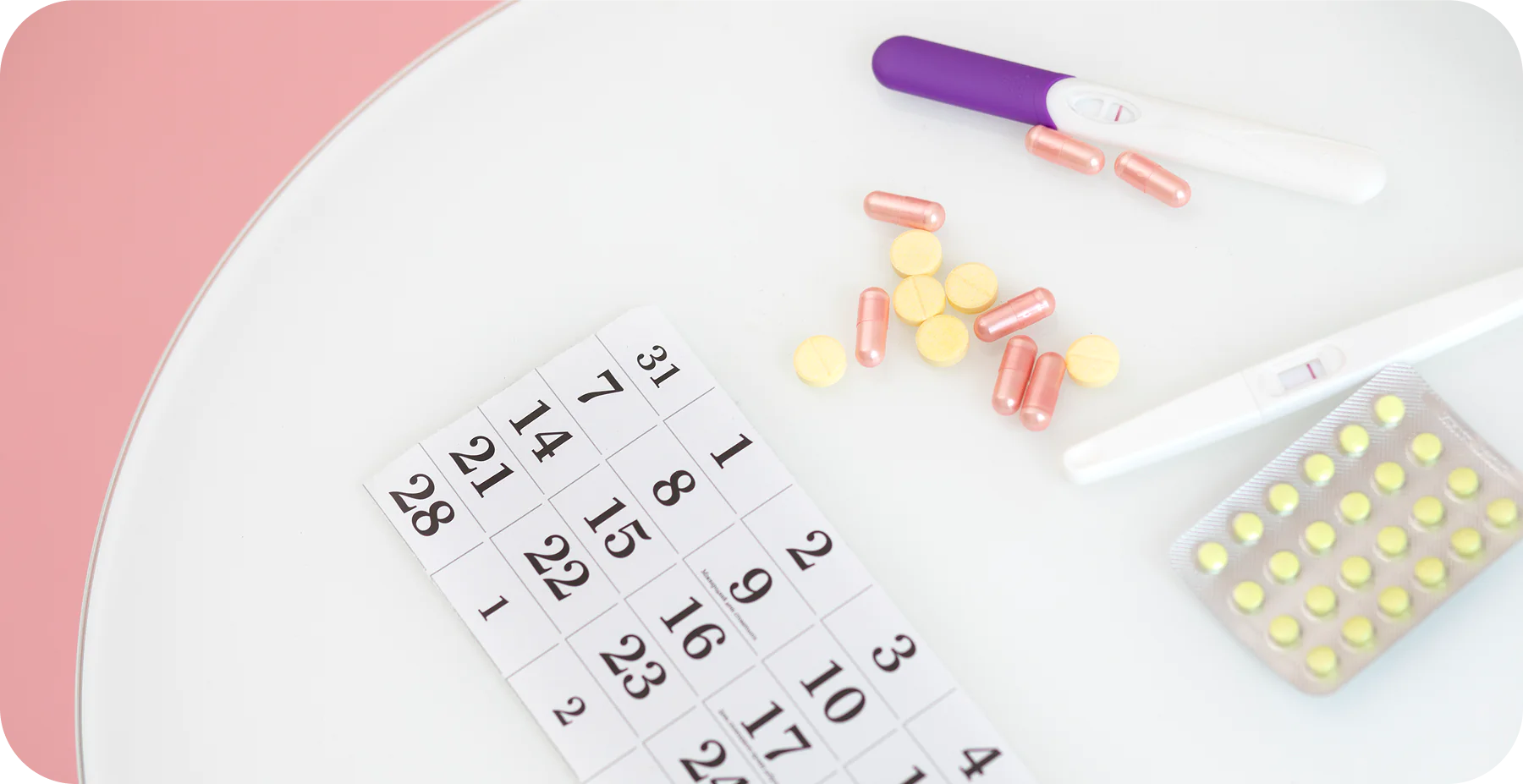
Tracking ovulation is one of the most effective and natural ways to improve the chances of conception. Many couples face delays in pregnancy, not because of infertility, but due to mistimed intercourse. Understanding how ovulation works and identifying the most fertile days of the menstrual cycle allows couples to plan pregnancy more effectively and with greater confidence.
At AAS Fertility & IVF Center, the premier fertility and IVF center in Pakistan, couples have been supported for over a decade with expert guidance, cycle monitoring, and compassionate fertility care.
Understanding Ovulation and the Fertile Window
Ovulation occurs when a mature egg is released from the ovary, typically once during each menstrual cycle. The egg remains viable for fertilization for about 12 to 24 hours, while sperm can survive inside the female reproductive tract for up to five days. This creates a fertile window of approximately five to six days when pregnancy is possible.
Tracking ovulation helps identify this window accurately rather than relying on estimates or assumptions.
Why Tracking Ovulation Improves Pregnancy Chances?
Many couples have regular intercourse but unknowingly miss their most fertile days. Tracking ovulation allows couples to focus their efforts during the days when conception is most likely.
Accurate timing reduces frustration, emotional stress, and unnecessary pressure by offering clarity and structure during the fertility journey.
Common Methods for Tracking Ovulation
There are several reliable methods used for tracking ovulation, depending on cycle regularity and personal preference.
Calendar tracking involves recording cycle lengths to estimate ovulation and is most effective for women with regular menstrual cycles. Basal body temperature monitoring detects a slight temperature increase after ovulation has occurred. Cervical mucus changes can also indicate fertile days, as it becomes clear and stretchy near ovulation. Ovulation predictor kits identify hormonal changes that signal ovulation is approaching.
Fertility specialists may recommend combining methods for better accuracy.
Timing Intercourse While Tracking Ovulation
The most effective time for intercourse is one to two days before ovulation and the day ovulation occurs. Intercourse every other day during this fertile window helps maintain sperm quality while maximizing the chance of fertilization.
Over-frequent or poorly timed intercourse may reduce effectiveness, which is why guided timing is often more successful.
Factors That Can Affect Ovulation Timing
Ovulation does not always occur on the same day each cycle. Stress, illness, weight fluctuations, travel, and hormonal imbalances can all delay or disrupt ovulation. Conditions such as PCOS or thyroid disorders may also interfere with regular ovulation.
Professional fertility evaluation helps identify these factors and adjust timing strategies accordingly.
When Tracking Ovulation Is Not Enough?
If pregnancy does not occur despite consistent tracking of ovulation for several months, further medical assessment may be needed. Ovulation may be irregular, or other factors such as sperm health, fallopian tube function, or uterine conditions may be involved.
Early evaluation helps prevent unnecessary delays and guides appropriate treatment options.
Medical Support for Accurate Ovulation Tracking

Fertility clinics provide advanced ovulation monitoring using ultrasounds and hormone testing to determine ovulation with precision. This approach is especially beneficial for women with irregular cycles or previous fertility challenges.
Medical monitoring removes uncertainty and allows couples to plan with confidence.
Emotional Well-Being During Ovulation Tracking
While tracking empowers couples, it can sometimes cause stress if expectations are not managed carefully. Maintaining emotional balance, open communication, and realistic timelines is essential for mental well-being.
Supportive counseling and expert reassurance help couples stay motivated and hopeful.
How AAS Fertility Supports Ovulation Tracking?
AAS Fertility & IVF Center offers personalized fertility assessments, ovulation monitoring, and evidence-based treatment plans. With over a decade of experience, the clinic focuses on accuracy, education, and compassionate care to support couples throughout their conception journey.
Conclusion
Tracking ovulation and timing intercourse correctly can significantly improve the chances of pregnancy. By understanding fertile signs, using reliable tracking methods, and seeking professional guidance when needed, couples can approach conception with clarity and confidence.
With the right support and timing, many couples achieve pregnancy naturally.