

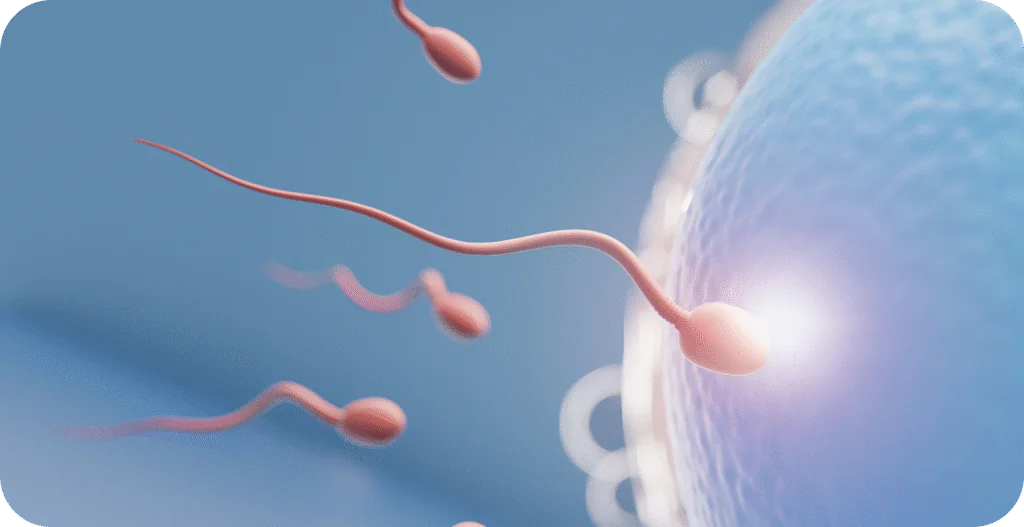

Starting IVF can feel overwhelming, a mix of hope, anxiety, and anticipation. Your first IVF consultation marks the beginning of your journey toward parenthood, and proper preparation helps you make the most of this important step.
At AAS Fertility & IVF Center, every consultation is designed to understand your unique fertility story and create a plan that fits both your medical and emotional needs. This guide will help you know exactly what to expect before your first visit.
IVF Consultation: Understand the Purpose of the Visit
Your first IVF consultation is a detailed session where your fertility specialist:
- Reviews your medical and fertility history
- Discusses previous treatments or test results
- Explains the IVF process and success rates
- Outlines potential treatment plans
This session allows your doctor to understand your goals and helps you feel confident as you start your journey.
Bring All Relevant Medical Records
Bring essential documents to get the most accurate assessment:
- Fertility test results (AMH, HSG, semen analysis)
- Ultrasound or imaging reports
- Surgical or medical history
- Current medications or supplements
These records allow your doctor to create a personalized plan efficiently.
Track Your Menstrual Cycle
Your cycle provides key insights into ovulation and fertility timing. Track:
- Cycle length
- Ovulation patterns
- Any unusual symptoms
This helps the specialist design a plan tailored to your body.
Prepare Emotionally and Mentally
IVF can be emotionally demanding. Prepare by:
- Writing down your feelings or questions
- Talking openly with your partner
- Practicing calmness through prayer or meditation
AAS Fertility prioritizes emotional support throughout the process.
IVF Consultation: Financial and Logistical Details
During the consultation, you’ll get clear guidance on:
- IVF costs and procedures
- Payment options or packages
- Treatment duration and expected visits
Understanding these details reduces stress and helps you plan comfortably.

Prepare Your Questions
Bring questions such as:
- What are my chances of success?
- What tests are required before starting IVF?
- How long does the process take?
- What lifestyle changes can improve outcomes?
AAS Fertility doctors ensure every concern is addressed.
IVF Consultation: Make Healthy Lifestyle Adjustments
Before starting IVF, focus on:
- Balanced, nutrient-rich meals
- Reducing caffeine, alcohol, and smoking
- Light regular exercise
- Sleeping 7–8 hours
- Stress management through mindfulness or prayer
AAS Fertility provides pre-IVF wellness guidance to prepare your body.
IVF Consultation: Include Your Partner
Fertility treatment is a shared journey. Encourage your partner to:
- Attend the consultation
- Discuss expectations
- Complete required tests
Shared understanding strengthens the IVF journey.
Know What Happens After the Consultation
After your first visit, the next steps usually include:
- Diagnostic testing (blood work, scans)
- Confirmation of your treatment plan
- Scheduling or starting the IVF cycle
The AAS Fertility team ensures clarity and support at every step.
Conclusion
Proper IVF consultation preparation helps you feel informed, confident, and ready for your journey. Each step from organizing records to preparing emotionally brings you closer to parenthood.
At AAS Fertility & IVF Center, we guide every couple with expertise, compassion, and honest advice because every fertility journey deserves hope and support.

Fertility is more than medical treatment; it is deeply connected to lifestyle, health, and emotional balance. With simple yet consistent habits, natural fertility improvement becomes easier and more achievable.
At AAS Fertility & IVF Center, we follow a holistic approach that blends expert care with natural practices to strengthen reproductive health and improve the chances of conception.
Natural Fertility Improvement Through Diet
A fertility-supporting diet directly influences hormones, ovulation, and egg or sperm quality. To nourish your reproductive system naturally:
- Healthy fats like olives, nuts, and avocados support hormone balance
- Lean proteins such as chicken, legumes, and fish improve egg and sperm health
- Whole grains help stabilize hormones
- Fruits and vegetables provide antioxidants to protect reproductive cells
- Iron and folate-rich foods, including spinach and lentils, support egg development
AAS Fertility nutrition experts help patients build meal plans that support fertility improvement and manage conditions like PCOS.
Healthy Weight for Better Fertility
Being underweight or overweight affects hormone production and ovulation. Even a 5–10% change in body weight can restore menstrual balance and improve conception chances. Specialists at AAS Fertility offer personalized guidance to help patients achieve a healthy BMI for optimal reproductive performance.
Natural Fertility Improvement Through Hormonal Balance
Hormones regulate reproductive function, and small lifestyle adjustments can support natural balance. These include:
- Eating on time to stabilize insulin
- Reducing caffeine and sugar
- Prioritizing 7–8 hours of sleep
- Managing stress through prayer and mindfulness
AAS Fertility conducts regular hormonal assessments to identify imbalances early and guide natural correction before medical intervention.
Stress Management for Fertility
High stress elevates cortisol, which disrupts ovulation and sperm quality. Natural ways to lower stress include:
- Daily prayer and quiet reflection
- Light exercise or walking
- Deep breathing techniques
- Adequate rest and sleep
At AAS Fertility, emotional well-being is integrated into every treatment plan because mental clarity supports natural fertility improvement.

Moderate Exercise for Reproductive Health
Movement enhances blood circulation to reproductive organs and supports hormonal stability. However, extreme exercise can disrupt fertility hormones. Aim for:
- 30 minutes of moderate activity
- Activities like yoga, swimming, or brisk walking
- Avoiding overtraining or strict dieting
Balanced exercise strengthens both body and reproductive function.
Reduce Fertility-Harming Toxins
Everyday products may contain chemicals that affect hormones. To protect fertility:
- Use glass or steel instead of plastic
- Choose organic foods when possible
- Avoid alcohol and smoking
- Use natural personal care items
Reducing toxins supports long-term hormone balance.
Track Your Cycle for Better Timing
Knowing your ovulation window improves natural conception chances. You can track fertility using:
- Basal body temperature
- Cervical mucus observations
- Ovulation predictor kits
AAS Fertility helps couples identify the ideal days for natural conception before recommending medical methods.

Natural Fertility Improvement for Men
Fertility is shared. Men can enhance sperm health naturally by:
- Eating foods rich in zinc, selenium, and vitamin C
- Avoiding heat exposure and tight clothing
- Improving sleep routines
- Reducing alcohol and caffeine
These steps improve sperm count, motility, and structure.
When Natural Methods Aren’t Enough
Natural fertility improvement is powerful, but certain cases require expert evaluation. Seek medical support if:
- You’re under 35 and not pregnant after 12 months
- You’re over 35 and not pregnant after 6 months
- You have irregular periods, PCOS, or thyroid concerns
AAS Fertility blends natural wellness with IUI, IVF, and hormone treatments to offer patients the highest success rate possible.
Conclusion
Natural fertility improvement is about nurturing your body, supporting your emotions, and trusting the right guidance. When lifestyle changes combine with expert care, the journey to parenthood becomes healthier and more hopeful.
At AAS Fertility & IVF Center, we support couples with compassion, holistic wellness, and advanced fertility solutions, helping them move toward conception with confidence and clarity.
For many women, fertility challenges often trace back to underlying gynaecological conditions. These conditions can affect ovulation, egg quality, or the ability of an embryo to implant successfully. The good news is that most are treatable with the right medical care.
At AAS Fertility & IVF Center, specialists identify and treat these conditions using advanced diagnostics and personalized fertility plans. This blog explores the most common gynaecological issues that affect fertility and how they can be managed.
PCOS and Fertility: A Gynaecological Perspective
Polycystic Ovary Syndrome (PCOS) is one of the leading causes of infertility among women. It occurs when a hormonal imbalance prevents regular ovulation. Without ovulation, fertilization cannot occur naturally.
Symptoms include irregular cycles, weight gain, acne, and excess hair growth. PCOS also leads to insulin resistance, which worsens hormonal imbalance and impacts egg quality.
At AAS Fertility, PCOS treatment focuses on:
- Balancing hormones with medication
- Restoring regular ovulation
- Managing weight and insulin levels
- Offering fertility treatments like IUI or IVF if needed
With proper management, most women with PCOS can conceive successfully.
Endometriosis and Fertility: A Gynaecological Insight
Endometriosis happens when tissue similar to the uterine lining grows outside the uterus, causing inflammation and scarring. This condition can block the fallopian tubes or affect egg release and implantation.
Common symptoms include:
- Painful periods
- Pelvic pain during intercourse
- Heavy bleeding
- Difficulty conceiving
AAS Fertility’s experts use laparoscopy to diagnose and remove endometrial tissue, improving natural conception rates or enhancing IVF outcomes.
Fibroids and Fertility
Uterine fibroids are non-cancerous growths that can develop in or around the uterus. Depending on their size and location, fibroids can:
- Block the fallopian tubes
- Distort the uterine lining
- Affect embryo implantation
While not every fibroid causes infertility, larger ones often do. Treatments may include:
- Medications to shrink fibroids
- Minimally invasive surgery (myomectomy)
- Fertility treatments after fibroid removal
At AAS Fertility, doctors ensure fibroid management aligns with fertility goals for the best outcomes.
Pelvic Inflammatory Disease (PID) and Fertility

Pelvic Inflammatory Disease is a bacterial infection that affects the reproductive organs. If left untreated, it can cause scarring in the fallopian tubes and uterus, leading to infertility.
PID symptoms may include:
- Lower abdominal pain
- Fever and fatigue
- Unusual vaginal discharge
- Pain during intercourse
Early treatment with antibiotics can prevent permanent damage. In severe cases, assisted reproduction like IVF may help bypass blocked tubes and achieve pregnancy.
Cervical Conditions and Fertility
Certain cervical issues can interfere with sperm movement or embryo implantation. Examples include:
- Cervical mucus abnormalities
- Cervical stenosis (narrowing of the cervix)
- Previous cervical surgeries or infections
AAS Fertility uses advanced imaging and tests to identify these conditions early. Treatments such as cervical dilation or fertility procedures like IUI help overcome these barriers.
Hormonal Imbalances and Fertility
Hormones regulate every step of the reproductive cycle from egg release to implantation. Imbalances in thyroid hormones, prolactin, or estrogen can prevent ovulation or disrupt the menstrual cycle.
At AAS Fertility, specialists use blood tests to identify hormonal irregularities and provide:
- Medication for thyroid and prolactin control
- Hormone therapy to restore ovulation
- Lifestyle advice for long-term balance
Balanced hormones play a key role in improving fertility success rates.
Ovarian Cysts and Fertility: Key Gynaecological Factors
Ovarian cysts are fluid-filled sacs that develop on the ovaries. While most are harmless, some can interfere with ovulation or hormone levels.
Large or persistent cysts may require surgical removal. However, early detection ensures fertility preservation. AAS Fertility’s monitoring and minimally invasive techniques protect ovarian function during treatment.
Uterine Abnormalities and Fertility
Structural problems in the uterus, such as a septum, adhesions, or polyps, can prevent an embryo from implanting properly.
Common solutions include:
- Hysteroscopy (to remove polyps or septum)
- Surgical correction of uterine shape
- IVF for severe cases
AAS Fertility uses advanced 3D imaging and precise surgical techniques to ensure a healthy uterine environment for pregnancy.
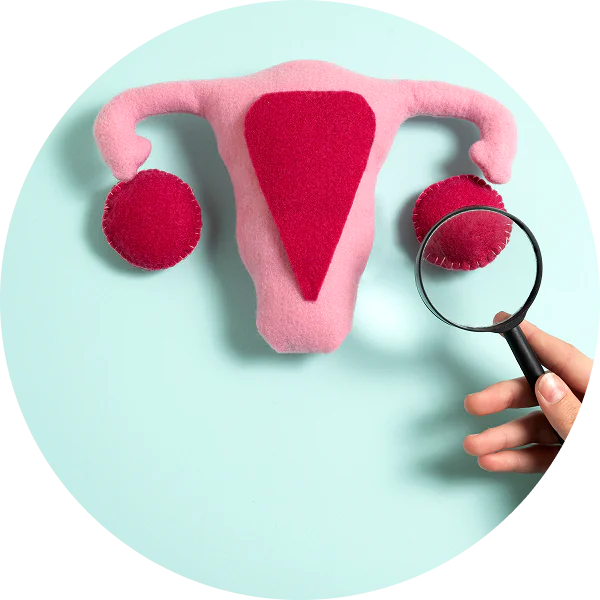
The Emotional Impact of Gynaecological Infertility
Dealing with fertility issues often causes emotional distress. Feelings of frustration, anxiety, or guilt are common. Recognising that infertility is a medical condition, not a personal failure, is crucial.
At AAS Fertility, emotional wellness is part of every treatment plan. Counselling and mental health support help patients stay positive and resilient throughout their fertility journey.
Diagnosis and Treatment at AAS Fertility
AAS Fertility’s diagnostic process includes:
- Detailed medical history
- Hormonal and imaging tests
- Advanced fertility assessments
Based on results, personalised treatment plans may involve:
- Medication and hormonal therapy
- Surgical correction of reproductive issues
- Assisted reproductive technologies like IUI or IVF
Every patient’s plan is tailored to her unique condition and fertility goals.
Lifestyle Changes to Support Fertility
Small lifestyle improvements can enhance fertility outcomes alongside medical care:
- Maintain a balanced diet rich in nutrients
- Manage stress through yoga or mindfulness
- Exercise regularly but moderately
- Avoid smoking, alcohol, and processed foods
- Get enough rest for hormonal balance
At AAS Fertility, lifestyle counselling complements medical treatment for holistic reproductive wellness.
Conclusion
Gynaecological issues may affect fertility, but with early diagnosis and expert care, many women achieve healthy pregnancies. Modern treatments, lifestyle changes, and emotional support together create the foundation for success.
At AAS Fertility & IVF Center, women receive advanced, compassionate, and faith-based care because every fertility story deserves a hopeful ending.
A failed IVF cycle can feel devastating. After weeks of hope, appointments, and emotional investment, a negative result often leaves couples heartbroken. But a single failed attempt doesn’t define your fertility journey. At AAS Fertility & IVF Center, every setback becomes a step toward understanding and improvement, not the end of the story.
This blog offers compassionate insight and practical steps to help you cope and prepare for what’s next.
Understanding a Failed IVF Cycle
IVF involves multiple delicate stages of stimulation, egg retrieval, fertilization, and implantation. A failure can happen if any of these steps face issues, such as:
- Poor egg or sperm quality
- Embryo implantation problems
- Hormonal imbalance
- Uterine or endometrial issues
- Genetic abnormalities
- Lifestyle or health factors
Even with advanced techniques, IVF success isn’t guaranteed on the first attempt. Each cycle provides doctors with valuable information to refine treatment for better outcomes next time.
Emotional Impact of IVF Failure
It’s natural to feel grief, frustration, or guilt after a failed IVF attempt. Many couples describe it as a sense of loss. Recognizing and processing these emotions is the first step toward recovery.
- Allow yourself to feel: Avoid suppressing emotions; talk openly with your partner or a counselor.
- Avoid blame: IVF failure is not your fault. Biology is complex, and success takes time.
- Seek support: Professional counseling or support groups can help normalize your feelings.
AAS Fertility emphasizes emotional wellness as much as physical treatment. Patients receive counseling sessions designed to rebuild confidence and hope.
Medical Review: What Comes Next
After a failed IVF cycle, your doctor will review every detail of your treatment. This includes hormone levels, egg quality, embryo grading, and uterine health. The goal is to find potential improvements before another cycle.
Common follow-ups include:
- Genetic or chromosomal testing
- Hormonal evaluations
- Lifestyle assessment
- Modifying stimulation protocols
At AAS Fertility, specialists use a data-driven approach to personalize your next plan for better success.

Common Medical Adjustments After a Failed IVF Cycle
- Changing the Stimulation Protocol: Adjusting medication can improve egg quality and response.
- Improving Endometrial Receptivity: Tests like ERA (Endometrial Receptivity Analysis) help identify the best implantation window.
- Using Advanced Embryo Screening: Techniques such as PGT (Preimplantation Genetic Testing) ensure only healthy embryos are transferred.
- Addressing Sperm Health: Additional testing or treatment can improve fertilization success.
Lifestyle Support After Failed IVF Cycle
Your emotional and physical health greatly influences your next attempt. Here are ways to rebuild strength and balance:
- Eat well: Focus on fertility-supportive foods whole grains, leafy greens, and lean proteins.
- Exercise moderately: Yoga, walking, or light workouts relieve stress.
- Get enough rest: Sleep helps regulate hormones and emotional recovery.
- Avoid unhealthy habits: Reduce caffeine, smoking, or alcohol intake.
- Practice mindfulness: Meditation and prayer promote calm and resilience.
AAS Fertility integrates nutrition and mental health guidance into post-IVF care to help you recover holistically.
Coping as a Couple
Infertility can strain relationships, especially after failed IVF. But shared understanding and communication strengthen the bond.
- Talk honestly about your emotions.
- Take a break from fertility talk when needed.
- Support each other through empathy, not advice.
- Plan moments unrelated to treatment date nights, short trips, or hobbies.
AAS Fertility also offers couples counseling to help partners navigate the emotional journey together.
When to Try IVF Again
Doctors usually recommend waiting one or two menstrual cycles before starting another IVF attempt. This allows your body to heal and provides time to address any identified issues. Your fertility specialist will guide the timing based on your health and previous cycle analysis.
Remember, many couples succeed on their second or third attempt. Each round increases understanding and improves chances.
When to Seek Emotional Help

If sadness persists for weeks or you notice signs of depression, professional help is essential. Counselors and therapists trained in fertility-related grief can guide you toward healing.
Look for these signs:
- Loss of motivation or energy
- Trouble sleeping or eating
- Constant guilt or hopelessness
- Avoidance of social contact
Seeking help is not a weakness; it’s a strength in action.
How AAS Fertility Supports You
AAS Fertility & IVF Center goes beyond treatment, offering emotional, medical, and spiritual care. Their programs include:
- Post-IVF counseling
- Nutrition and wellness support
- Fertility reassessment and planning
- Continuous follow-up and guidance
Every patient receives personalized care designed to renew hope and increase future success.
Conclusion
A failed IVF cycle doesn’t mean the end of your dream; it’s part of the journey. Each experience teaches your medical team more about your body, paving the way for better outcomes ahead. Healing takes time, compassion, and the right support system.
At AAS Fertility & IVF Center, couples are never alone in this process. With expert care, emotional guidance, and renewed faith, your path to parenthood can begin again, stronger and wiser than before.
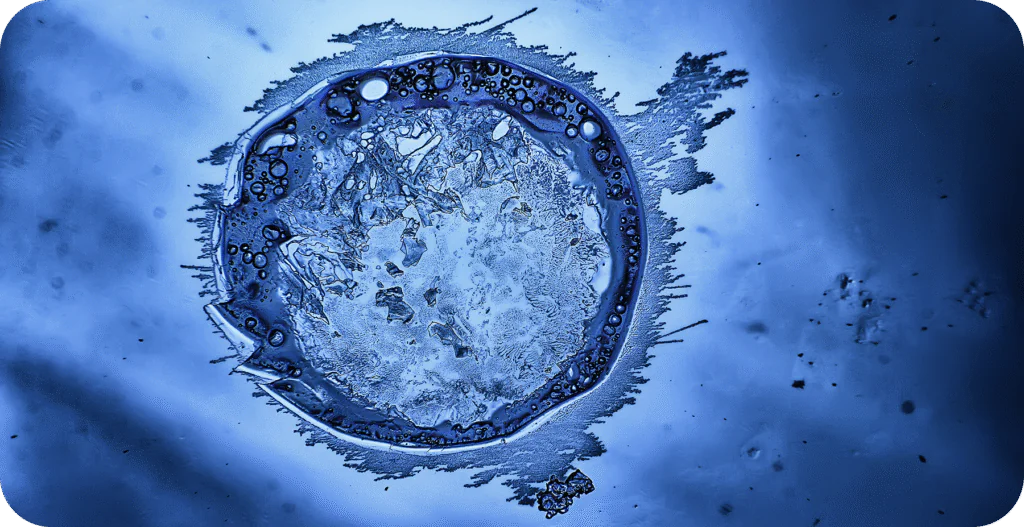
Modern life offers women more choices than ever in career, education, and relationships. But biological fertility still has limits. Egg freezing gives women the flexibility to plan motherhood on their own timeline. At AAS Fertility & IVF Center, this procedure empowers women to preserve their fertility safely and effectively.
If you’ve ever wondered whether egg freezing is right for you, this guide explains everything you need to know.
What Is Egg Freezing?
Egg freezing, or oocyte cryopreservation, is a procedure that allows women to preserve their eggs for future use. The eggs are collected, frozen, and stored using advanced techniques until the woman decides to conceive. When the time comes, the eggs can be thawed, fertilized through IVF, and transferred to the uterus.
This technology gives women more control over their reproductive health and family planning.
Who Should Consider This Process?
Egg freezing isn’t just for women delaying motherhood; it’s for anyone who wants to safeguard their fertility for medical, personal, or professional reasons. You might consider egg freezing if:
- You’re in your late 20s to early 30s and want to delay pregnancy.
- You’re focused on your career or education, but want children later.
- You have a medical condition (like endometriosis or cancer) that could affect fertility.
- You’re undergoing chemotherapy or radiation therapy.
- You want to preserve eggs before IVF for future attempts.
- You haven’t found the right partner, but want to secure healthy eggs now.
AAS Fertility specialists guide every patient through these decisions with personalized advice.
What’s the Best Age to Preserve Your Eggs?
Age plays a major role in egg quality and quantity. The earlier you freeze your eggs, the higher your chances of future success.
Here’s a general guide:
- Best time: Before age 35, eggs are healthiest.
- Still possible: 35–40 may need more cycles for optimal results.
- Above 40: Possible but with lower success rates.
AAS Fertility conducts ovarian reserve testing to determine the best time for each individual.
How the Egg Preservation Journey Works
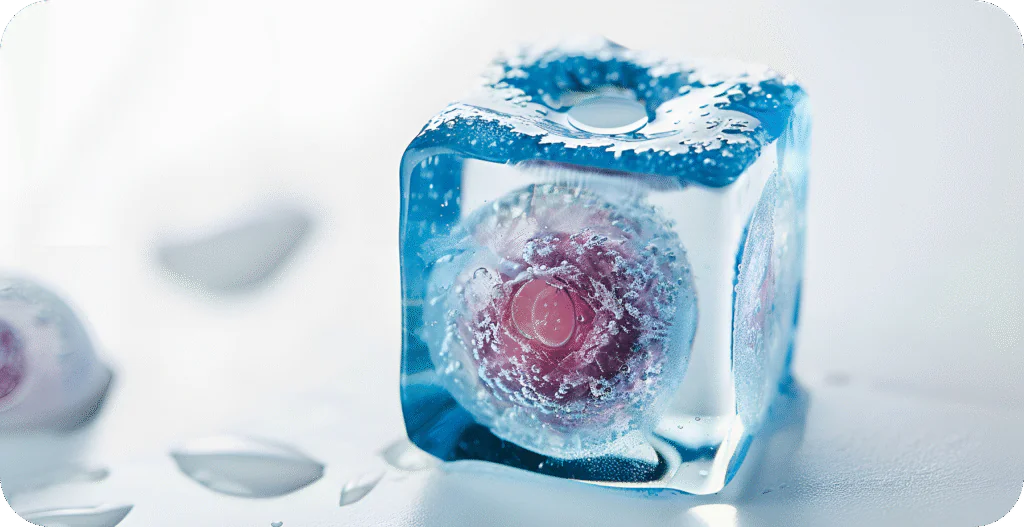
The egg preservation process involves several careful steps to ensure quality and safety:
- Initial Consultation:
You’ll meet a fertility specialist for evaluation, hormone testing, and an ultrasound. - Ovarian Stimulation:
Hormonal medications stimulate your ovaries to produce multiple eggs. - Egg Retrieval:
Eggs are collected through a minor procedure under sedation, quick and painless. - Freezing (Vitrification):
Mature eggs are rapidly frozen using advanced vitrification technology, preserving them without damage. - Storage:
Eggs are safely stored in cryogenic tanks until you’re ready to use them.
When you decide to conceive, the eggs are thawed, fertilized with sperm, and implanted via IVF.
How Long Can Eggs Stay Frozen?
Frozen eggs can remain viable for 10–20 years or even longer with proper storage. Studies show that the duration of freezing does not significantly affect egg quality when modern vitrification methods are used.
AAS Fertility ensures eggs are stored under continuous monitoring in high-standard facilities.
Success Rates of Egg Freezing
Success depends on the woman’s age at the time of freezing and the number of eggs retrieved.
- Under 35: High success rates due to better egg quality.
- 35–40: Moderate success, depending on egg count and health.
AAS Fertility provides realistic guidance based on scientific data, helping patients understand probabilities before making decisions.
Advantages of Egg Freezing
- Preserves fertility during prime reproductive years.
- Provides peace of mind for women who want flexibility.
- Protects against fertility loss due to illness or treatment.
- Allows use of younger, healthier eggs later in life.
- Encourages informed reproductive choices without pressure.

Things to Consider Before Egg Freezing
While egg freezing offers hope, it’s essential to stay informed:
- Costs can vary depending on the medication and storage duration.
- It does not guarantee pregnancy, but it improves the chances.
- The procedure requires hormone injections and monitoring.
- Thawed eggs must be fertilized through IVF.
AAS Fertility ensures every patient receives full medical and emotional support through every stage.
Why Choose AAS Fertility & IVF Center
AAS Fertility combines medical expertise with compassion. Their fertility specialists use advanced freezing techniques and offer complete care from testing and counseling to egg retrieval and long-term storage. Every plan is personalized for each woman’s needs and goals.
Conclusion
Egg freezing is more than a medical advancement; it’s a step toward reproductive freedom. Whether you’re postponing motherhood, focusing on your career, or managing health concerns, egg freezing offers the chance to preserve your future fertility on your own terms. At AAS Fertility & IVF Center, the process is made simple, safe, and supported by experts who care about your journey now and in the future.