



Parenthood & Fertility Insights

Welcome to Parenthood & Fertility Insights by AAS Fertility & IVF Center Lahore, your trusted source for expert articles, helpful tips, and the latest updates in fertility care. Our blogs are thoughtfully crafted to educate, inspire, and support you at every step of your parenthood journey. From IVF guidance and fertility wellness advice to real stories of hope, AAS Fertility & IVF Center shares knowledge that empowers you to make informed, confident decisions on your path to starting a family.

Happy Clients

Hundreds of couples have put their trust in us for kind treatment, successful fertility outcomes, and advice on becoming parents.

Does Frequency of Intercourse Affect Fertility? - AAS Fertility & IVF Center

Does Frequency of Intercourse Affect Fertility?

Many couples often ask how intercourse and fertility are connected and whether frequency affects conception. While timing and cycle patterns are key, understanding how often to have intercourse during the fertile window can improve chances of pregnancy. At AAS Fertility & IVF Center, the best fertility and IVF center in Pakistan, we have supported couples for over 10 years with expert guidance, personalized monitoring, and compassionate care throughout their fertility journey.

How Intercourse and Fertility Are Connected?

Fertility largely depends on ovulation and the timing of intercourse. A woman’s most fertile days occur in the five days before ovulation and on the day of ovulation itself. Intercourse during this fertile window maximizes the chances of conception. Too infrequent intercourse may miss this window, while very frequent intercourse can temporarily reduce sperm count. Understanding ovulation patterns and fertile days ensures the highest probability of conception naturally.

Ideal Frequency of Intercourse for Conception

Experts recommend having intercourse every one to two days during the fertile window. This balance maintains sperm quality while increasing chances of fertilization. Over-scheduling or forcing strict routines can create stress, which negatively impacts fertility. Consistency combined with awareness of fertility cues is the most effective approach.

Male Fertility and Intercourse Frequency

Frequency affects male fertility as well. Very frequent ejaculation may lower sperm motility temporarily, while infrequent intercourse may reduce sperm quality. Men should maintain a balanced routine to ensure optimal sperm count and motility for conception. At AAS Fertility, male fertility assessments help couples understand how intercourse frequency interacts with sperm health to maximize success.

Other Factors Affecting Fertility

While intercourse frequency is important, other factors significantly influence fertility. Age, hormonal imbalances, PCOS, low sperm count, or structural reproductive issues can affect conception regardless of timing. Couples should consult specialists early to identify any medical challenges. Treatments like IUI or IVF can complement natural conception strategies if needed.

When to Seek Fertility Support?

Couples under 35 who haven’t conceived after 12 months of regular intercourse should seek evaluation. Women over 35 should consider a consultation after six months. Fertility experts at AAS Fertility & IVF Center provide comprehensive assessments for both partners, recommend evidence-based treatment options, and offer lifestyle guidance to support natural fertility and assisted reproduction.

Conclusion

Frequency of intercourse plays a key role in conception, especially during the fertile window. By understanding intercourse and fertility, couples can plan effectively, reduce stress, and maximize the chances of pregnancy. With guidance from AAS Fertility & IVF Center, couples receive expert advice, personalized fertility planning, and compassionate support to help them achieve their dream of parenthood.

Can You Get Pregnant During Period? - AAS Fertility & IVF Center

Can You Get Pregnant During Period?

Many couples often ask, “Can you get pregnant during your period?, and the answer is more nuanced than most people realize. While pregnancy during your period is uncommon, certain cycle variations, sperm survival, and early ovulation can make it possible. Understanding these factors helps couples plan effectively and avoid misconceptions. At AAS Fertility & IVF Center, the best fertility and IVF center in Pakistan, we support couples with expert guidance, personalized monitoring, and compassionate care throughout their fertility journey.

Understanding Pregnancy and Menstrual Cycles

Understanding pregnancy and menstrual cycles begins with knowing how ovulation, hormones, and fertility windows work together. A woman can only get pregnant when an egg is released during ovulation, which usually occurs around the middle of the cycle.

However, menstrual cycles vary from woman to woman, and ovulation can sometimes happen earlier or later than expected. Sperm can survive inside the reproductive tract for up to five days, which means intercourse during your period may still overlap with early ovulation in shorter cycles.

This combination creates a small but real chance of pregnancy during menstruation. By understanding your cycle patterns, fertile window, and ovulation timing, you can better predict your chances of conception each month.

Is It Possible to Get Pregnant During a Period?

Pregnancy during menstruation is rare, but not impossible. Women with short or irregular cycles may ovulate soon after their period ends. Sperm can survive up to five days inside the reproductive tract, so intercourse during the period may occasionally coincide with ovulation, leading to conception. Couples should not rely solely on menstrual timing as contraception and should track fertility to understand their unique cycle patterns.

How Ovulation Affects Fertility?

Ovulation usually occurs in the middle of the menstrual cycle, roughly 12–16 days before the next period. Conception is most likely during the five days leading up to ovulation. Timing intercourse during this fertile window significantly increases the chance of pregnancy. Even when intercourse occurs during menstruation, understanding ovulation patterns ensures couples can plan effectively for natural conception.

Factors That Affect Getting Pregnant During Your Period

Several factors make conception during menstruation slightly more likely. Short menstrual cycles, irregular ovulation, long periods, or bleeding that overlaps with fertile days can increase pregnancy chances. While rare, couples with these circumstances should track their cycles carefully. Consulting fertility specialists helps identify risks, offers guidance, and ensures couples are informed about conception timing and reproductive health.

Tracking Your Fertile Days

Tracking ovulation helps couples identify the optimal days for conception. Methods include monitoring basal body temperature, cervical mucus changes, and ovulation predictor kits. Accurate tracking provides insight into fertile days, reducing uncertainty and increasing pregnancy chances. At AAS Fertility & IVF Center, specialists educate couples on fertility monitoring and offer personalized guidance to maximize natural conception or prepare for assisted treatments if needed.

When to Consult a Fertility Specialist?

Couples under 35 should seek consultation if they haven’t conceived after 12 months of trying, while women over 35 should consider help after six months. Fertility specialists assess menstrual cycles, ovulation patterns, and reproductive health to identify potential barriers. Early consultation with experts like those at AAS Fertility ensures timely intervention, improving the likelihood of successful conception, whether naturally or with treatments like IUI or IVF.

How Often Should Couples Try to Conceive? - AAS Fertility & IVF Center

How Often Should Couples Try to Conceive?

Trying to conceive can feel exciting yet overwhelming. Many couples wonder how often they should have intercourse to increase their chances of pregnancy. Understanding your cycle, identifying the fertile window, and maintaining healthy habits can make the journey smoother. With the right knowledge and consistent effort, conception becomes more achievable and less stressful.

Understanding Your Body While Trying to Conceive

For many couples, trying to conceive brings excitement mixed with confusion. How often should you try? Does timing matter more than frequency? The truth is that conception depends on a blend of ovulation timing, sperm survival, and overall reproductive health. Understanding your fertile window helps couples plan better without unnecessary stress.

The Fertile Window: Best Time to Try to Conceive

The fertile window includes the five days before ovulation plus the day of ovulation itself. Since sperm can live 3–5 days, intercourse before ovulation gives sperm time to reach the egg. Couples who are trying to conceive should focus on this window for the highest chances of pregnancy.

How to Identify the Fertile Window?

Your fertile days can be spotted by tracking cycle patterns. Most cycles range from 26 to 32 days, with ovulation usually in the middle. Signs include increased cervical mucus, mild cramps, or a spike in ovulation test results. Tracking for a few months helps couples understand their rhythm.

How Often Should You Try to Conceive During the Month?

Most fertility experts recommend intercourse every 2–3 days throughout the cycle. This keeps sperm healthy and ensures that intercourse does not rely on exact predictions. Couples trying to conceive can still increase frequency during the fertile window, but daily intercourse is not necessary.

Does Daily Intercourse Improve the Chances?

Daily intercourse is safe, but doesn’t significantly increase chances compared to every other day. Sperm count can slightly drop with everyday intercourse, but it usually remains normal. The key is consistency, especially during fertile days.

Try to Conceive With Irregular Cycles

Try to Conceive With Irregular Cycles - AAS Fertility & IVF Center

Irregular periods make timing more challenging, but conception is still possible. Couples may try every 2–3 days or rely on ovulation predictor kits. For cycles shorter than 21 days or longer than 35, a fertility consultation is recommended to rule out underlying issues.

When Irregular Cycles Affect Conception

Stress, PCOS, thyroid imbalance, and hormonal shifts may disturb ovulation. Identifying the reason helps couples trying to conceive plan better and avoid months of confusion or delayed diagnosis.

Healthy Habits to Support Try to Conceive

Lifestyle has a direct impact on fertility. Maintaining a balanced diet, managing stress, sleeping well, and avoiding cigarettes or alcohol can improve reproductive health. Even small changes can enhance cycle regularity and sperm quality.

Small Changes Create Big Improvements

Eating antioxidant-rich foods, drinking enough water, and keeping moderate activity levels support hormone balance. Emotional well-being is equally essential when trying to conceive, as stress can affect ovulation and libido.

When to Seek Medical Help While Trying to Conceive?

Couples under 35 should seek help after 12 months of trying to conceive. Couples over 35 should seek support after six months. If there are symptoms like irregular cycles, severe pain, or prior miscarriages, earlier consultation is advised.

Conclusion

Trying to conceive requires patience, timing, and understanding your body. Consistent intercourse every 2–3 days, especially around the fertile window, gives couples the best chance of success. If conceiving takes longer than expected, early medical guidance can help identify the cause and provide effective solutions.

For over 10 years, AAS Fertility & IVF Center, one of the best fertility clinics in Pakistan, has been supporting couples with expert care, personalized treatment, and compassionate guidance throughout their journey. With knowledge and steady effort, the path to parenthood becomes more confident and less stressful.
Advanced Lab Technology in AAS Fertility & IVF Center

Advanced Lab Technology in AAS Fertility & IVF Center

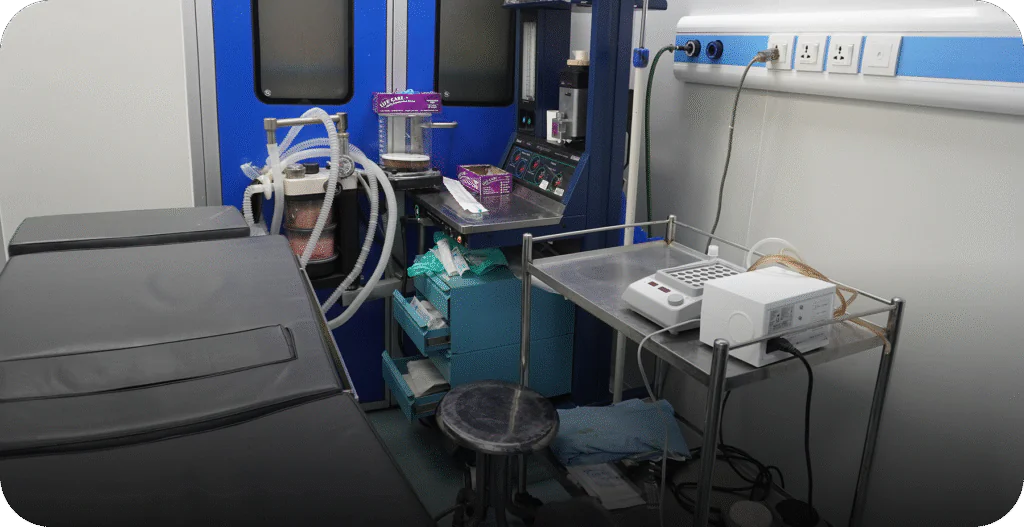
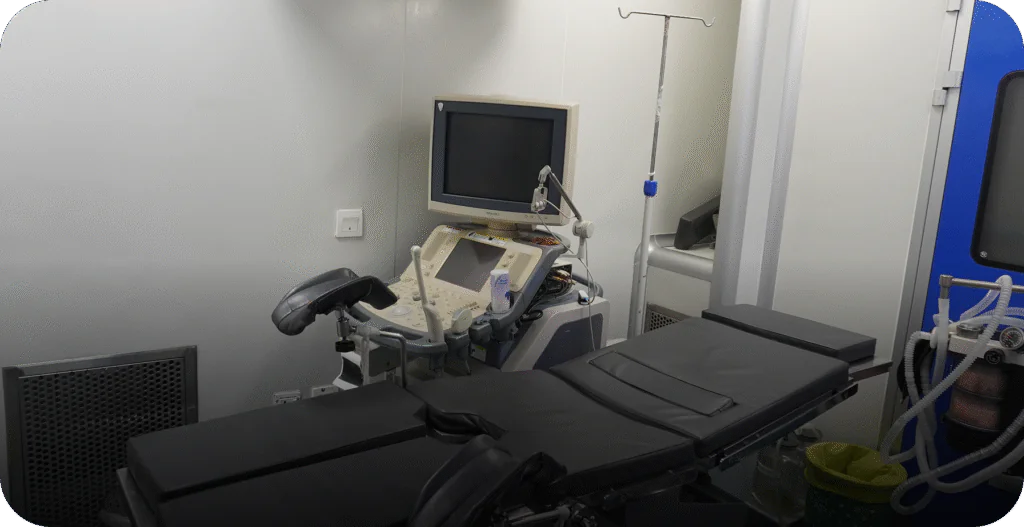
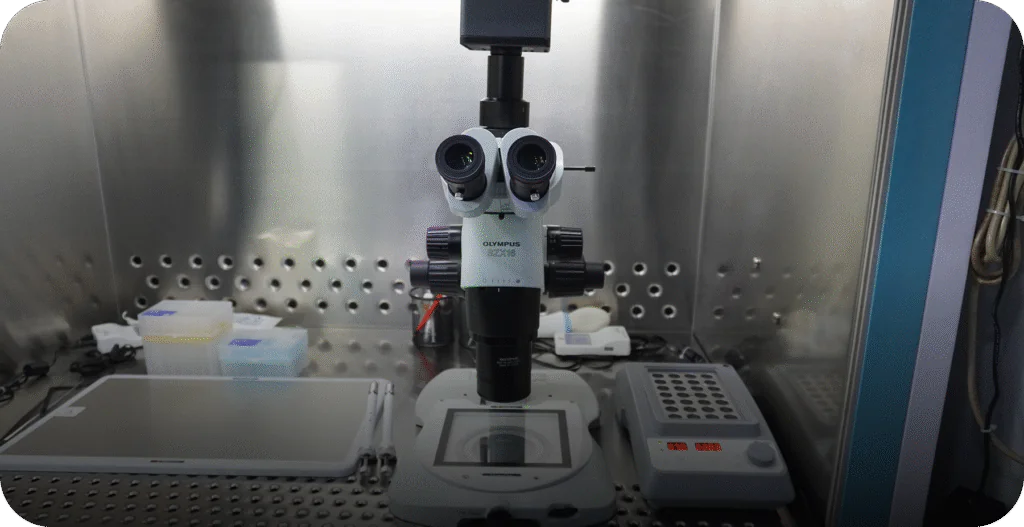
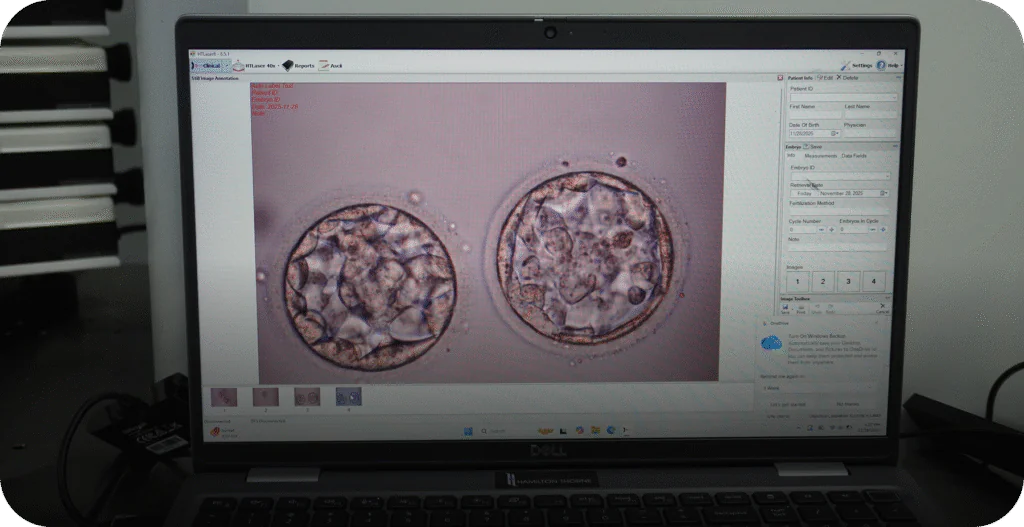
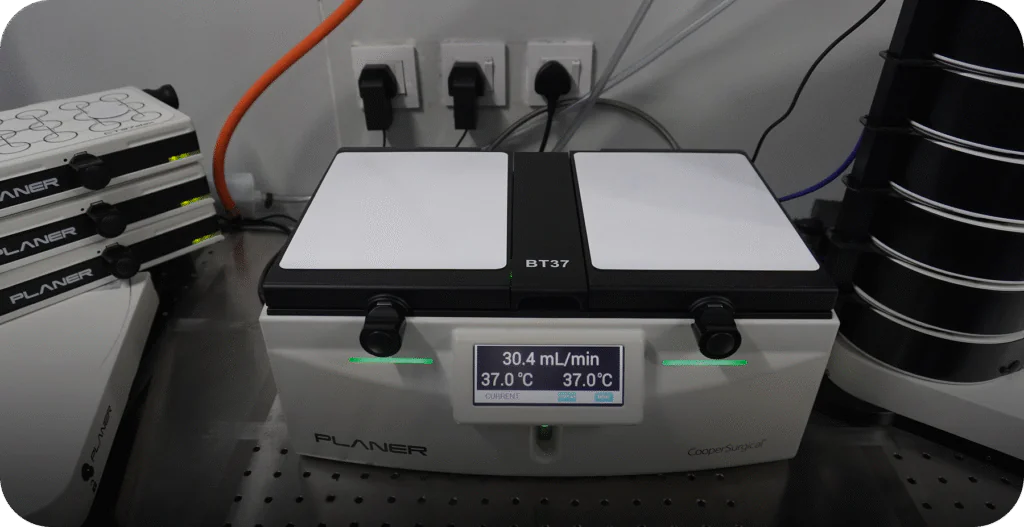
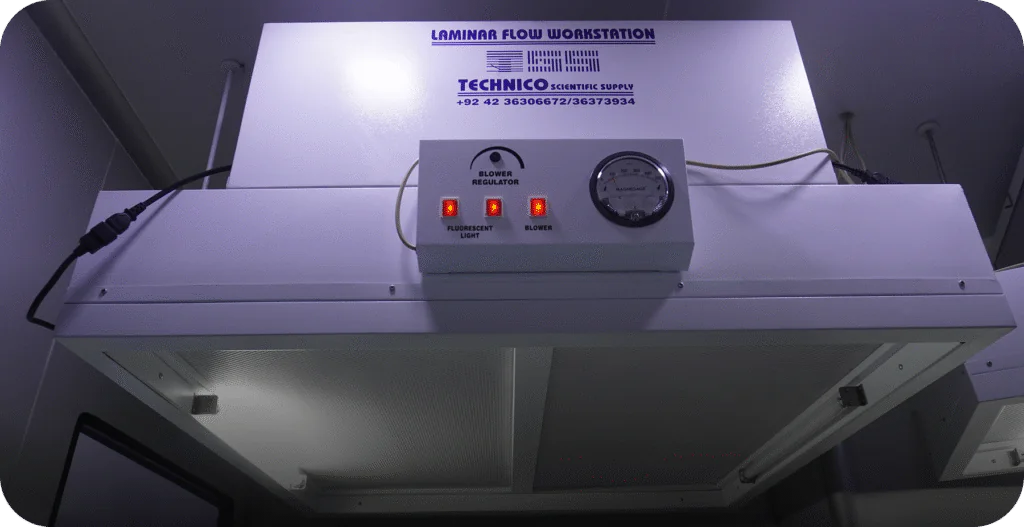
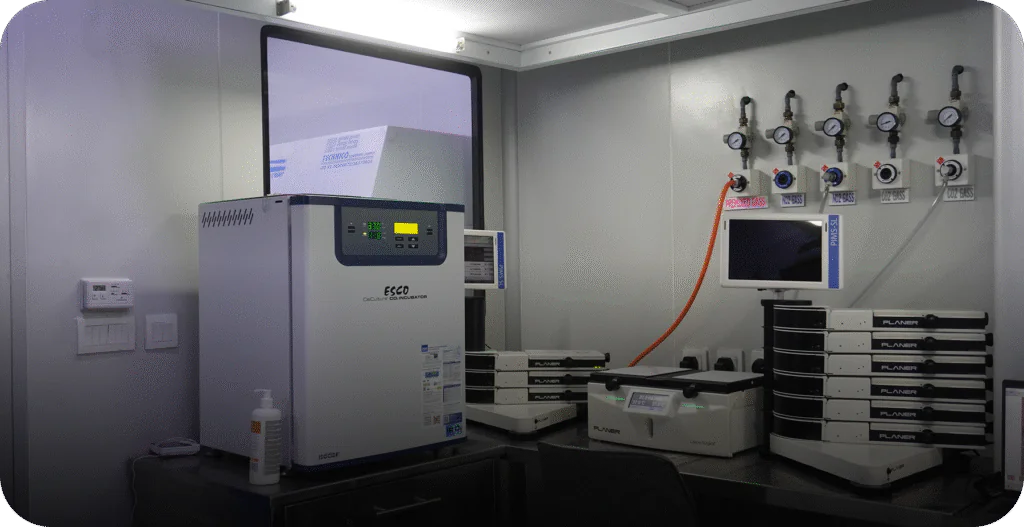
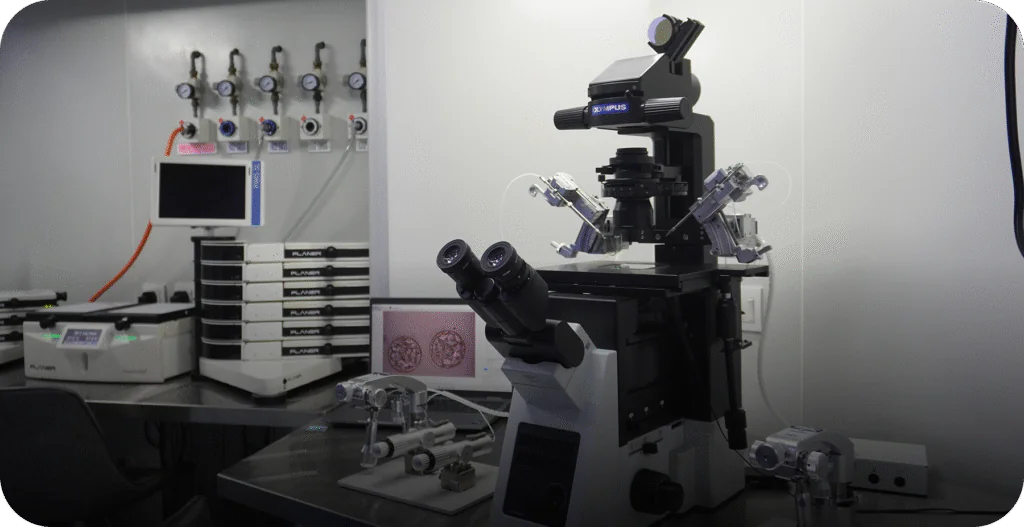
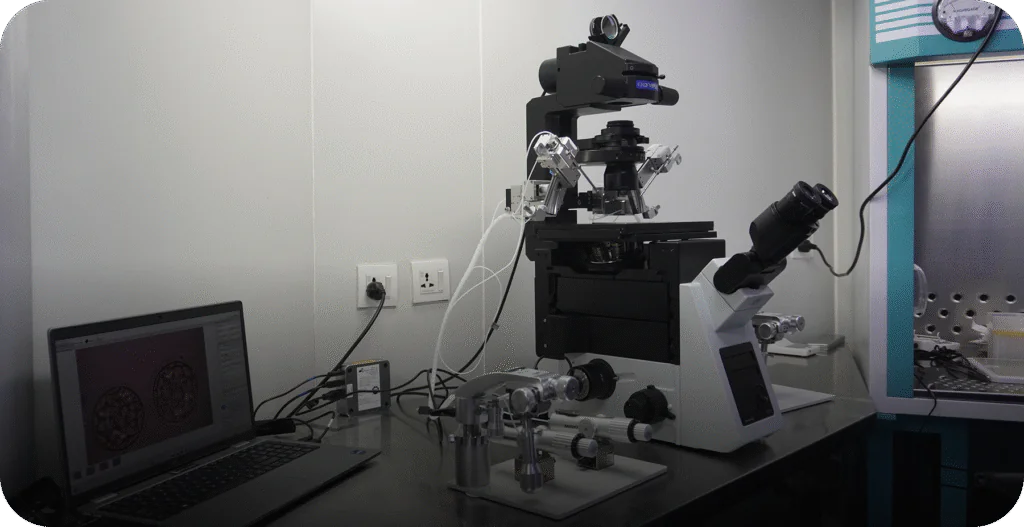
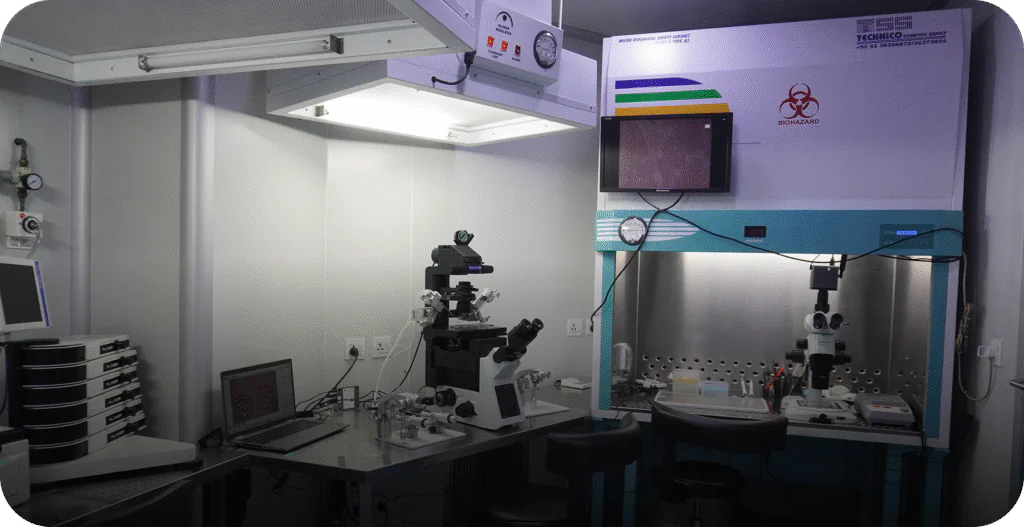
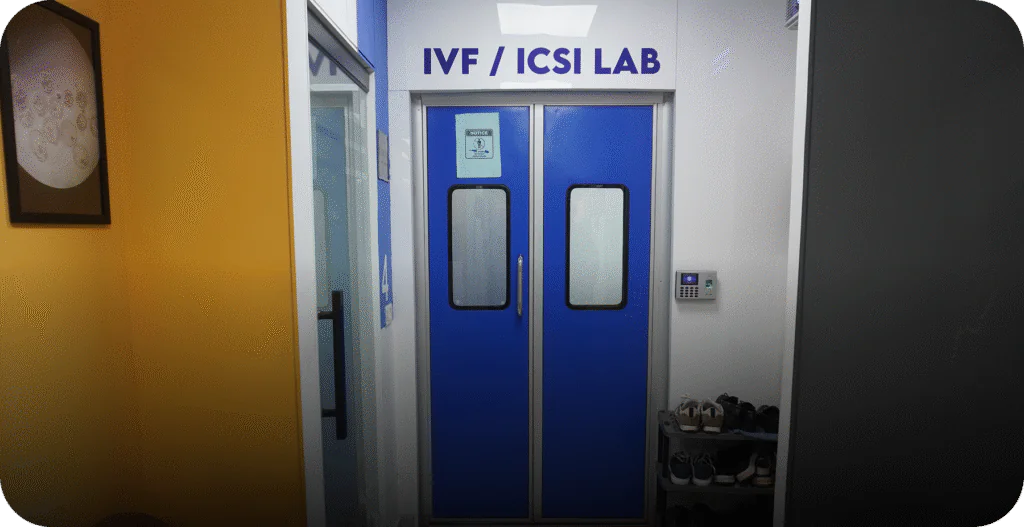
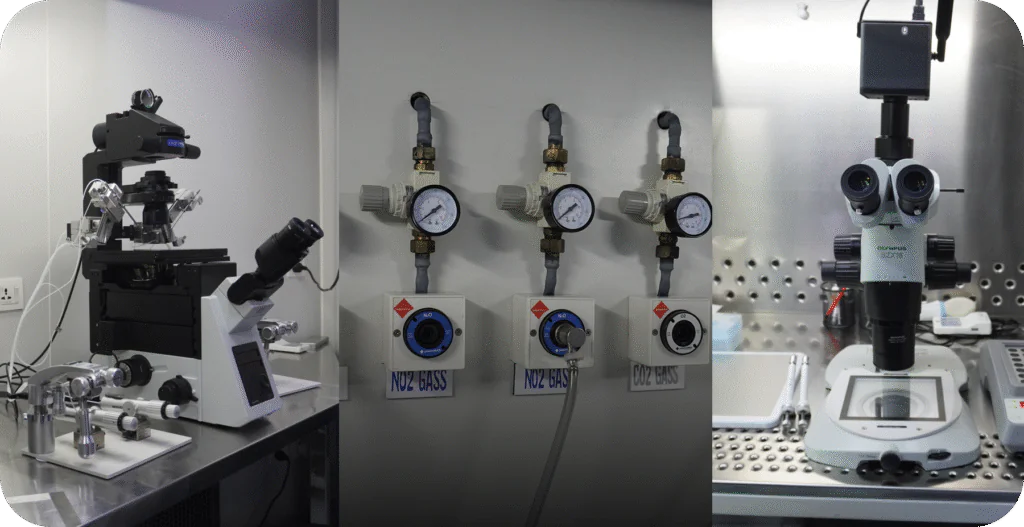
At AAS Fertility & IVF Center, we are proud to offer one of the best IVF labs in Lahore. Our lab combines cutting-edge technology, strict quality protocols, and expert embryologists to ensure the highest standard of care. Every step, from egg and sperm handling to embryo monitoring, is performed with precision. This advanced lab technology in Lahore IVF centers directly contributes to higher IVF success rates, making AAS Fertility a trusted choice for couples seeking fertility solutions.

State-of-the-Art Equipment for Fertility Treatments

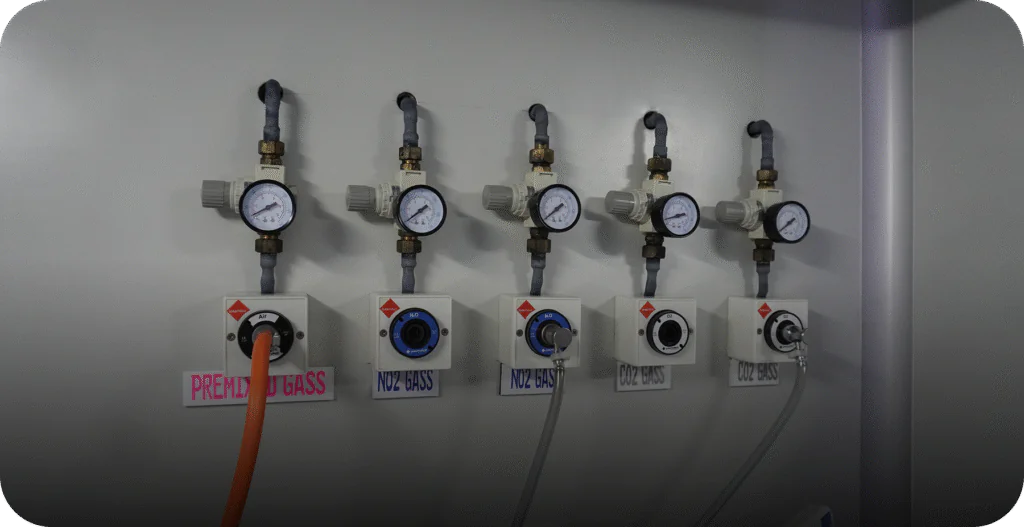
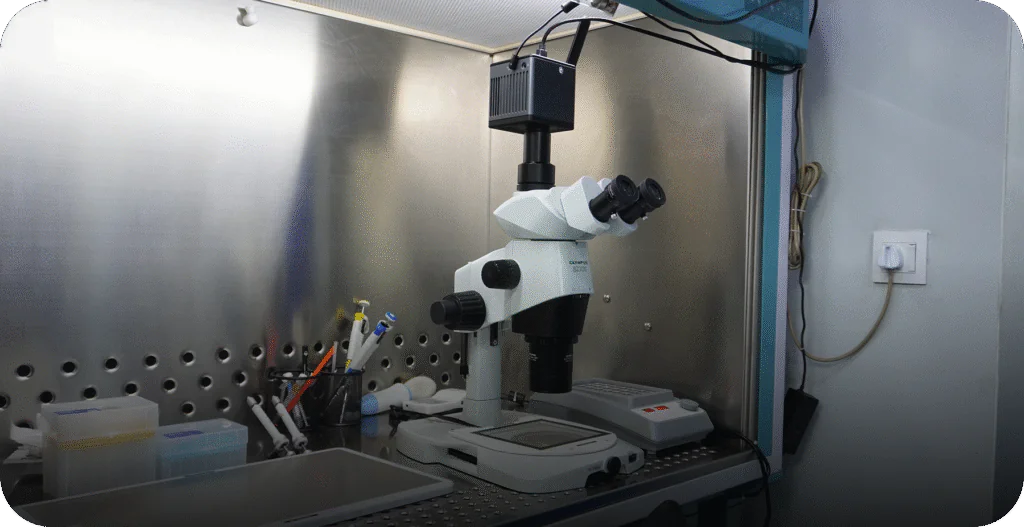
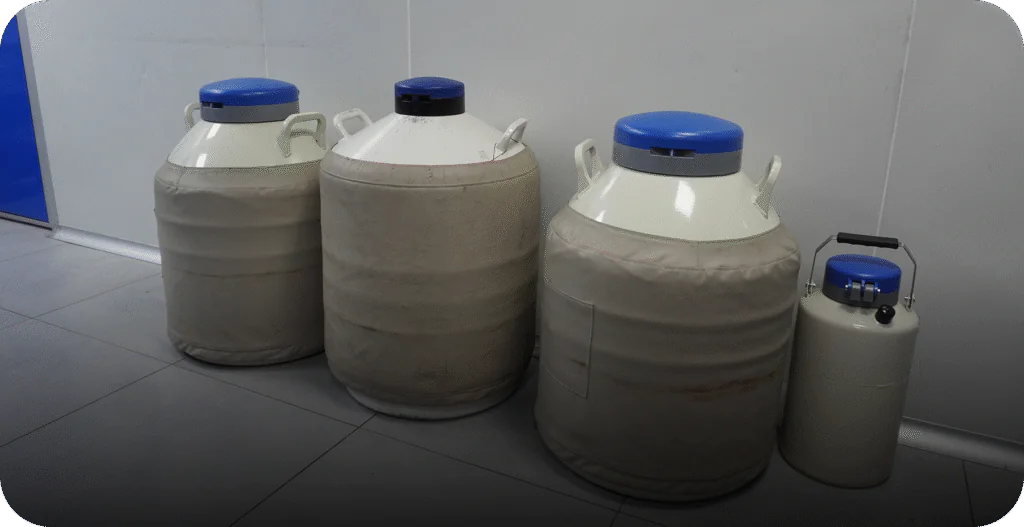
The foundation of IVF success lies in laboratory precision. At AAS Fertility, our lab features advanced incubators, high-resolution microscopes, and specialized equipment for sperm and egg preparation. Strict temperature, humidity, and sterility control ensure that every embryo develops in ideal conditions. By replicating natural reproductive environments, the lab significantly increases fertilization and embryo growth rates. Our advanced lab technology in Lahore IVF centers is designed to optimize every aspect of the IVF process.

Comprehensive Testing and Diagnostics

Accurate testing is essential for effective fertility treatment. Our lab conducts a wide range of tests, including hormonal analysis, sperm assessment, and genetic screening. These diagnostics identify underlying fertility challenges, allowing doctors to create personalized treatment plans. Early and precise detection improves IVF planning, reduces delays, and gives couples clarity. Advanced lab technology in Lahore IVF centers like AAS Fertility enables reliable results and informed medical decisions.

Advanced Lab Technology: Quality Control and Safety Measures

Patient safety is paramount at AAS Fertility. Our lab undergoes regular calibration, air filtration checks, and sterility protocols. Each IVF procedure is closely monitored to maintain the highest quality standards. By maintaining strict quality control, the lab protects eggs, sperm, and embryos while ensuring safe and reliable fertility treatments. Couples trust advanced lab technology in Lahore IVF centers because it prioritizes both effectiveness and safety.

Advanced Embryology Techniques
Advanced Embryology Techniques - AAS Fertility & IVF Center

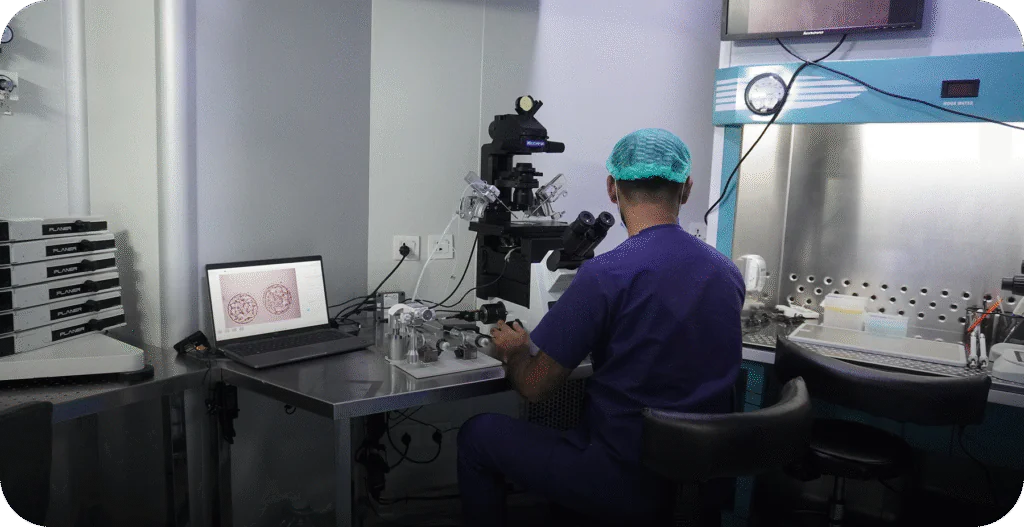
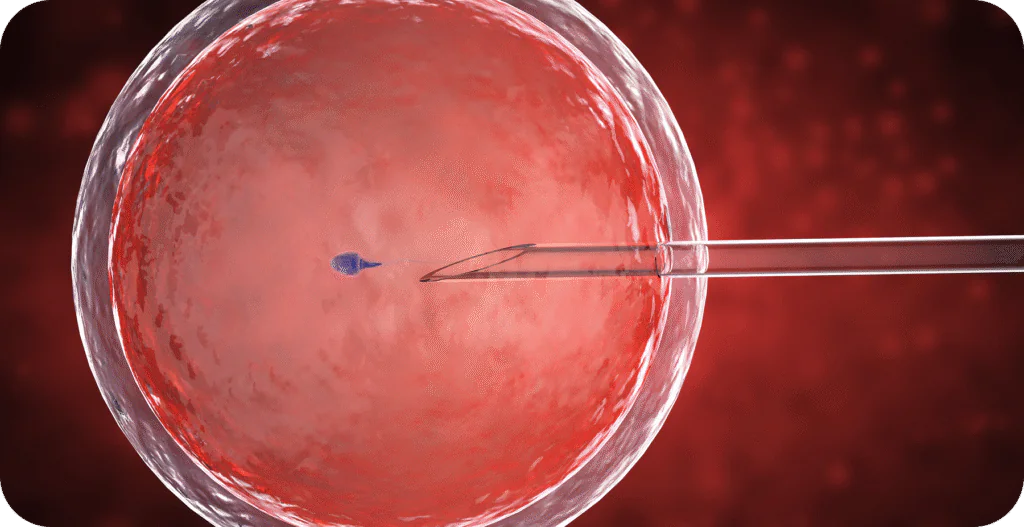
At AAS Fertility, skilled embryologists employ the latest embryology techniques to maximize success. Procedures like ICSI (intracytoplasmic sperm injection) and embryo vitrification are performed with meticulous precision. By carefully selecting and handling embryos, our lab supports higher fertilization rates while minimizing risks to eggs and sperm. Couples benefit from advanced lab technology in Lahore IVF centers because it ensures every embryo has the best chance to thrive.

Impact of Advanced Lab Technology on IVF Success

Modern lab technology directly affects IVF outcomes. At AAS Fertility, optimal conditions, careful monitoring, and precision equipment contribute to improved embryo viability. This translates into higher pregnancy rates and more successful treatments. By combining technology with expertise, our lab creates an environment where couples can achieve their parenthood goals. Advanced lab technology in Lahore IVF centers is a key factor in turning fertility hope into reality.
Why Couples Choose AAS Fertility?

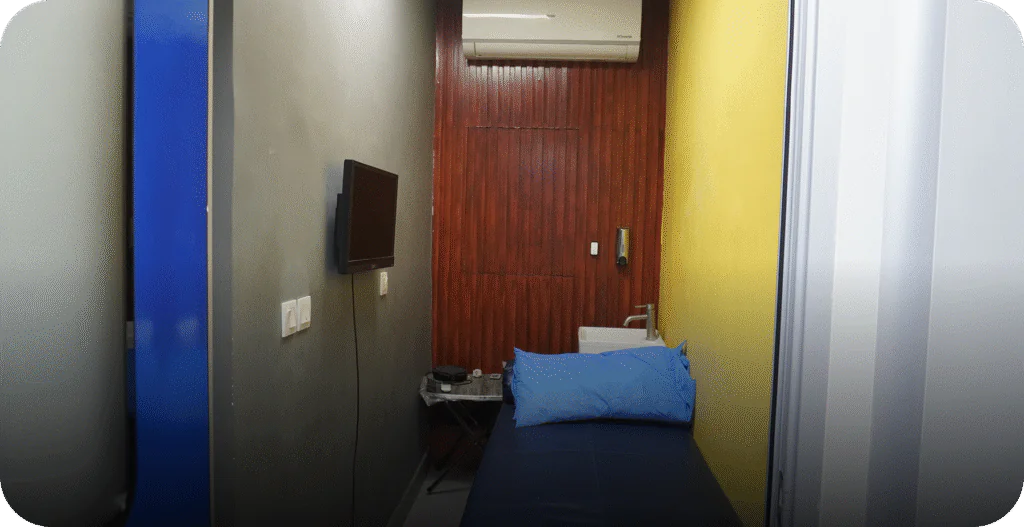
Couples seeking IVF in Lahore consistently choose AAS Fertility because of our unmatched lab standards, expert team, and patient-centered approach. Our lab’s capabilities allow us to provide both routine and advanced fertility solutions. From diagnostics to embryo transfer, every step benefits from state-of-the-art technology. Patients gain confidence knowing their treatment is backed by advanced lab technology in Lahore IVF centers with proven success and compassionate care.

Why Dr. Naila Jabeen is a Trusted Fertility Specialist? - AAS Fertility & IVF Center

Why Dr. Naila Jabeen is a Trusted Fertility Specialist?

For countless couples struggling with infertility, finding the right specialist is one of the most emotional and life-changing decisions they will ever make. Dr. Naila Jabeen fertility specialist, has become a trusted name for people seeking hope, guidance, and advanced reproductive care. With years of clinical experience and a compassionate approach, she has helped hundreds of couples achieve their dream of parenthood through evidence-based fertility treatments.

Understanding the Expertise of Dr. Naila Jabeen

Dr. Naila Jabeen has dedicated her medical career to reproductive health, infertility management, and IVF treatments. Her expertise is rooted in strong clinical training, advanced specialization, and a deep understanding of the emotional challenges couples face. What sets her apart is not just her medical knowledge but her ability to provide clarity, comfort, and confidence to every couple who walks into her clinic.

She believes fertility care should never feel rushed or confusing. Instead, every patient deserves a personalized plan and a transparent understanding of their journey. This patient-centered philosophy is one reason so many families trust her with one of the most important phases of their lives.

How does Dr. Naila Jabeen, a Fertility Specialist, support patients?

One of the defining qualities of Dr. Naila Jabeen fertility specialist, is her holistic and individualized approach. She takes time to understand medical history, underlying issues, and emotional concerns before designing any treatment plan. Whether it’s basic infertility evaluation, ovulation induction, IUI, IVF, or advanced reproductive technologies, each step is explained clearly so patients feel fully supported.

Her treatment plans focus on accuracy, minimal stress, and maximum chances of success. By combining modern diagnostic tools with her clinical insight, she ensures patients receive the most suitable and effective solutions.

Why Couples Prefer a Personalized Fertility Experience?

Infertility is not just a medical condition; it’s an emotional journey. Many couples appreciate that Dr. Naila treats every case uniquely rather than applying a one-size-fits-all method. Her consultations focus on educating patients, reducing anxiety, and building trust. This personalized care makes the process more manageable, especially for couples who have faced repeated disappointments or long-term struggles.

A Commitment to Compassionate Care

At the core of her practice is compassion. Dr. Naila understands the fear, expectations, and emotional pressure couples experience when they are struggling to conceive. She listens with patience, speaks with empathy, and guides with clarity. Her calm presence and reassuring communication help couples feel supported, understood, and emotionally stronger at every stage of their treatment. With her continuous encouragement and unwavering care, patients walk through their fertility journey with renewed hope and confidence.

The Impact of Dr. Naila Jabeen’s Work

Over the years, Dr. Naila has helped hundreds of couples experience successful fertility outcomes. From complex infertility cases to first-time treatments, her expertise has transformed lives. Many of her patients describe their experience as the perfect balance of medical excellence and heartfelt care, something rare yet invaluable in fertility treatment.

IUI Treatment Process: Complete Guide to Steps and Costs - AAS Fertility & IVF Center

IUI Treatment Process: Complete Guide to Steps and Costs

AAS Fertility offers low prices with excellent success rates nationwide. Our center is considered the best fertility clinic in Pakistan. Many couples trust our specialists for clear guidance and supportive care. The IUI treatment process gives hope through simple and effective steps. Patients choose this procedure because it improves natural conception chances significantly.

Understanding the IUI Treatment Process at AAS Fertility

The IUI treatment process begins with detailed assessments for both partners. Doctors check hormonal patterns and identify cycles suited for planned treatment. This early evaluation ensures every couple begins confidently with complete clarity. Our team supports each patient through structured steps and compassionate guidance.

Comprehensive Assessment and Cycle Planning

Doctors evaluate medical history and recommend correct cycle timings for success. Early planning helps reduce stress and improves each patient’s treatment experience. Clear schedules help couples understand their responsibilities during every stage. Planning ensures the body receives support exactly when required the most.

Ovulation Medications During the IUI Treatment Process

The treatment process often includes medications that stimulate egg growth. These medicines help create strong follicles needed for successful fertilization. Doctors monitor responses carefully to prevent overstimulation during the cycle. Medication doses vary depending on the patient’s hormonal needs and results.

Monitoring Scans for Follicle Growth

Regular ultrasounds check follicle size and confirm ovulation timing precisely. These scans allow doctors to adjust medications if unexpected changes appear. Monitoring helps determine the exact day the procedure should be performed. Accurate timing significantly improves success and supports natural hormone patterns.

Sperm Preparation for the IUI Treatment

The IUI treatment process includes advanced semen washing for stronger results. This step removes weak cells and concentrates healthy sperm for insemination. Laboratory specialists handle samples using strict international quality standards. Prepared sperm improves fertilization chances and supports smooth embryo development.

The IUI Procedure Performed at AAS Fertility

Doctors place the prepared sperm directly inside the uterus with care. The procedure is painless and completed within just a few minutes. Many patients describe it as comfortable and extremely easy to manage. After the procedure, resting briefly helps ensure a calm experience overall.

Luteal Phase Support After the Procedure

Doctors prescribe medications that support implantation during early pregnancy. These medicines strengthen the uterine lining and encourage embryo attachment. Luteal support increases success rates and reduces unnecessary emotional stress. Patients follow instructions carefully for stable hormonal support throughout cycles.

Pregnancy Confirmation After Two Weeks

Patients return after two weeks for beta tests confirming pregnancy results. This period requires patience while the body adjusts after the procedure. Positive results bring joy and emotional relief to hopeful waiting couples. If negative, doctors discuss next steps with understanding and clear guidance.

Affordable Pricing for the IUI Treatment Process

AAS Fertility offers the IUI treatment process at fair and transparent pricing. Each cycle costs PKR 75,000 with all essential procedures included. Our package provides three attempts for PKR 200,000 with consultations. Patients receive follicle tracking, sperm washing, and insemination procedures. Our pricing helps families access treatment without overwhelming financial stress.

Why Couples Choose AAS Fertility for IUI Treatment?

Experienced doctors guide each stage with unmatched expertise and kindness. Our modern laboratory ensures accuracy with every processed sperm sample. Success rates increase because of strong protocols and continuous monitoring. Patients appreciate clear instructions that simplify every step of treatment.

Begin Your IUI Journey with Confidence

The IUI treatment process offers real hope for couples across Pakistan. AAS Fertility provides affordable treatment with exceptional medical guidance. Our structured steps ensure clarity, comfort, and strong chances of success. Patients trust us because each case receives personalized attention and dedication.

Trusted fertility and IVF solutions with expert care at AAS Fertility & IVF Center

Quick Links

Services

Newsletter

Sign up to our newsletter